
S90-09A · Question #19
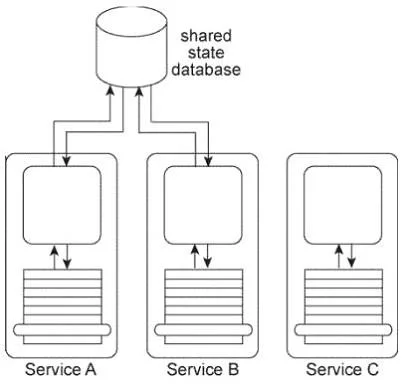
Services A, B, and C are non-agnostic task services. Service A and Service B use the same shared state database to defer their state data at runtime. An assessment of these three services reveals…
Sign in or unlock S90-09A to reveal the answer and full explanation for question #19. The question stem and answer options stay visible for context.
Question
Services A, B, and C are non-agnostic task services. Service A and Service B use the same shared state database to defer their state data at runtime. An assessment of these three services reveals that each contains some agnostic logic, but because it is bundled together with the non-agnostic logic, the agnostic logic cannot be made available for reuse. The assessment also determines that because Service A and Service B and the shared state database are each located in physically separate environments, the remote communication required for Service A and Service B to interact with the shared state database is causing an unreasonable decrease in runtime performance. You are asked to redesign this architecture in order to increase the opportunity for agnostic service logic to be reused and in order to decrease the runtime processing demands so that performance can be improved. What steps can be taken to achieve these goals?
Exhibit
Options
- AThe Enterprise Service Bus pattern can be applied to establish an environment whereby the
- BThe Process Centralization pattern can be applied, resulting in a redesign effort where agnostic
- CThe Process Abstraction pattern can be applied, resulting in a redesign effort where agnostic logic
- DNone of the above.
Unlock S90-09A to see the answer
You've previewed enough free S90-09A questions. Unlock S90-09A for full answers, explanations, the timed quiz mode, progress tracking, and the master PDF. Question stem and options stay visible so you can still see what's on the exam.