
USMLE · Question #486
A 30-year-old man is admitted to the hospital for evaluation. He has a 6-week history of colicky abdominal pain and diarrhea with occasional blood. Three days after admission, he suddenly develops…
Sign in or unlock USMLE to reveal the answer and full explanation for question #486. The question stem and answer options stay visible for context.
Question
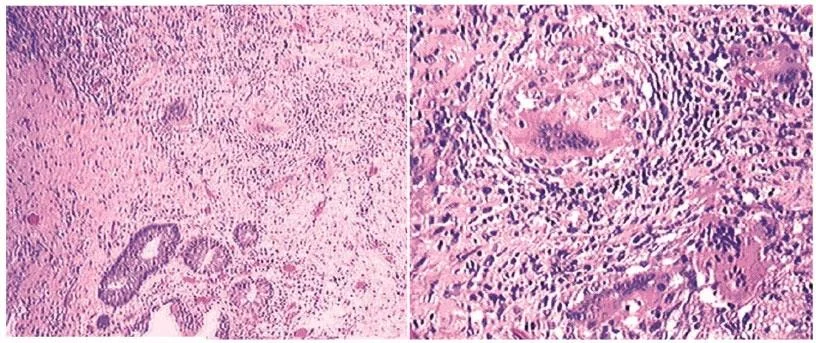
A 30-year-old man is admitted to the hospital for evaluation. He has a 6-week history of colicky abdominal pain and diarrhea with occasional blood. Three days after admission, he suddenly develops peritonitis and sepsis. Despite appropriate care, he dies. At autopsy, examination shows a fibrinous exudate over the peritoneal and serosal surfaces, and a punctate opening is seen in the wall of a thickened loop of small intestine. Several lengths of the small and large intestines are also thickened and adherent to one another, with marked areas of narrowing. Photomicrographs of a section of the colon are shown. Which of the following is the most likely diagnosis?
Exhibit
Options
- AColon cancer
- BCrohn disease
- CDiverticulitis
- DIschemic necrosis
- EUlcerative colitis
Unlock USMLE to see the answer
You've previewed enough free USMLE questions. Unlock USMLE for full answers, explanations, the timed quiz mode, progress tracking, and the master PDF. Question stem and options stay visible so you can still see what's on the exam.