
PL-200 · Question #159
A farm uses a canvas app to manage schedules for planting fields with crop seeds. The farm uses business intelligence to provide recommendations for schedule changes based on weather data. You must…
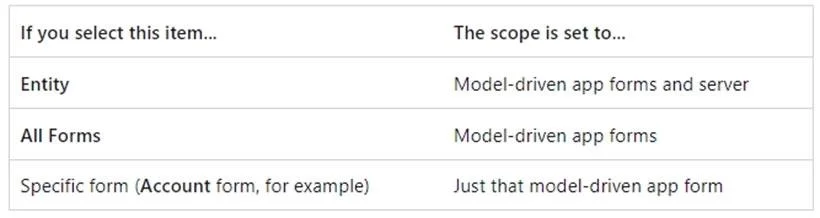
The correct answer is A. Table. For canvas apps, the only applicable business rule scope is 'Table' (also called entity scope). Canvas apps do not use the model-driven form rendering engine, so the 'All Forms' and 'Form-specific' scopes only apply to model-driven apps. A business rule set to Table scope…
Question
Exhibit
Options
- ATable
- BAll Forms
- CForm specific
How the community answered
(19 responses)- A84% (16)
- B11% (2)
- C5% (1)
Explanation
For canvas apps, the only applicable business rule scope is 'Table' (also called entity scope). Canvas apps do not use the model-driven form rendering engine, so the 'All Forms' and 'Form-specific' scopes only apply to model-driven apps. A business rule set to Table scope executes at the Dataverse data layer and applies regardless of the interface used - including canvas apps and API calls - making it effective across all forms in the canvas app. Since the requirement is to change data for several forms in the canvas app based on business intelligence data, Table scope is the correct and only viable choice. Selecting 'All Forms' or a specific form would have no effect on a canvas app.
Topics
Community Discussion
No community discussion yet for this question.