
CAS-003 · Question #471
A security engineer successfully exploits an application during a penetration test. As proof of the exploit, the security engineer takes screenshots of how data was compromised in the application…
The correct answer is B. The engineer queried the server and edited the data using an HTTP proxy interceptor. An HTTP proxy interceptor (such as Burp Suite or OWASP ZAP) is a man-in-the-middle tool that sits between the browser and the server, allowing a tester to capture, inspect, modify, and replay HTTP/HTTPS requests and responses in real time. This is the most common tool used to…
Question
A security engineer successfully exploits an application during a penetration test. As proof of the exploit, the security engineer takes screenshots of how data was compromised in the application. Given the information below from the screenshot. Which of the following tools was MOST likely used to exploit the application?
Exhibit
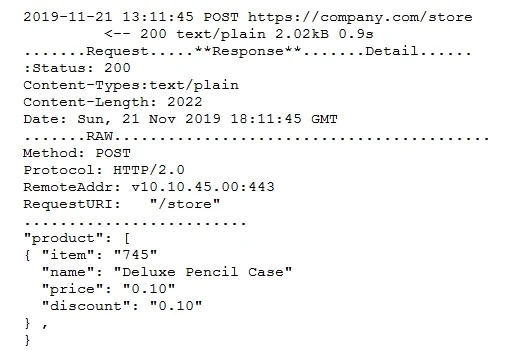
Options
- AThe engineer captured the data with a protocol analyzer, and then utilized Python to edit the data
- BThe engineer queried the server and edited the data using an HTTP proxy interceptor
- CThe engineer used a cross-site script sent via curl to edit the data
- DThe engineer captured the HTTP headers, and then replaced the JSON data with a banner-
How the community answered
(63 responses)- A6% (4)
- B73% (46)
- C5% (3)
- D16% (10)
Explanation
An HTTP proxy interceptor (such as Burp Suite or OWASP ZAP) is a man-in-the-middle tool that sits between the browser and the server, allowing a tester to capture, inspect, modify, and replay HTTP/HTTPS requests and responses in real time. This is the most common tool used to manipulate web application data during penetration testing - the tester can alter form fields, cookies, headers, or JSON payloads before they reach the server. Option A involves a protocol analyzer (passive capture) combined with Python scripting, which is more complex and indirect. Option C describes XSS via curl, which is a different attack vector targeting client-side execution. Option D involves manipulating HTTP headers and JSON data, but the 'banner' aspect suggests banner grabbing, which is a reconnaissance technique rather than an exploitation method.
Topics
Community Discussion
No community discussion yet for this question.