
HP
HPE7-A06 · Question #57
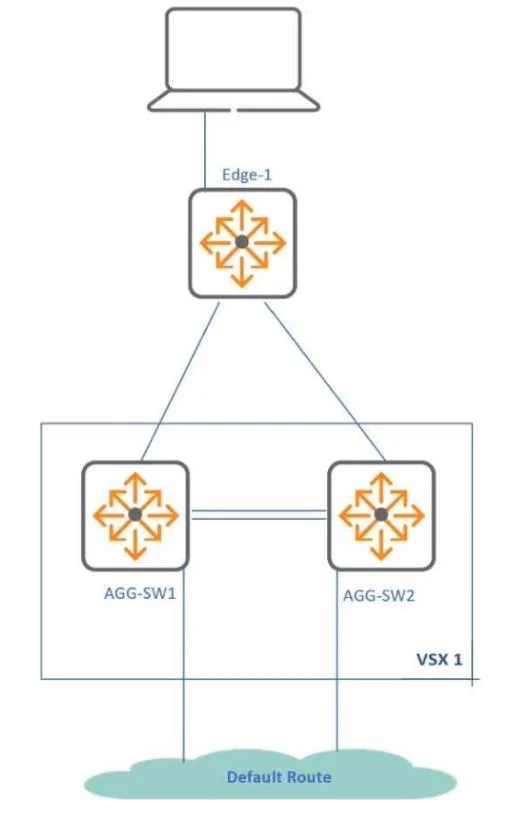
Refer to the exhibit. After an initial setup of CX 8325 VSX configuration, the active gateway is set up for SVI 10. For testing purposes, SVI 10 on the sw-agg1 is shut down while traffic from the…
Sign in or unlock HPE7-A06 to reveal the answer and full explanation for question #57. The question stem and answer options stay visible for context.
Troubleshooting and Optimization of Campus Access Switching
Question
Refer to the exhibit. After an initial setup of CX 8325 VSX configuration, the active gateway is set up for SVI 10. For testing purposes, SVI 10 on the sw-agg1 is shut down while traffic from the client connected to Edge-1 is initiated towards the default route. What is the expected behavior while performing this test?
Exhibit
Options
- ATraffic is potentially dropped between the client and the destination.
- BTraffic is forwarded over the ISL without the risk of dropped packets.
- CTraffic is unaffected and a 50ns failover time is expected for agg-sw2 to start traffic forwarding.
- DTraffic is dropped and vsx-sync will disable SVI10 on agg-sw2 automatically.
Unlock HPE7-A06 to see the answer
You've previewed enough free HPE7-A06 questions. Unlock HPE7-A06 for full answers, explanations, the timed quiz mode, progress tracking, and the master PDF. Question stem and options stay visible so you can still see what's on the exam.
Topics
#VSX#active-gateway#SVI shutdown#traffic failover