
CNX-001 · Question #15
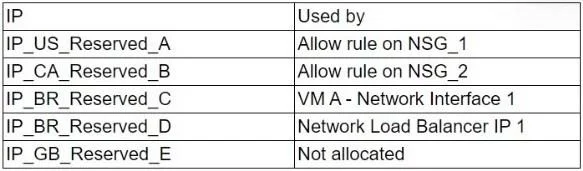
A company is replacing reserved public IP addresses with dynamic IP addresses. The network architect creates a list of assets with some dependencies to these reserved IPs: Which of the following…
The correct answer is D. IP reuse. When reserved (static) public IP addresses are released and replaced with dynamic IPs, the previously reserved addresses are returned to the public IP pool and can be reassigned by the cloud provider or ISP to entirely different organizations or services. Any external systems…
Question
A company is replacing reserved public IP addresses with dynamic IP addresses. The network architect creates a list of assets with some dependencies to these reserved IPs:
Which of the following issues may begin to affect cloud assets after the replacement is made?
Exhibit
Options
- AIP asymmetric routing
- BIP spoofing
- CIP exhaustion
- DIP reuse
How the community answered
(53 responses)- A17% (9)
- B6% (3)
- C4% (2)
- D74% (39)
Explanation
When reserved (static) public IP addresses are released and replaced with dynamic IPs, the previously reserved addresses are returned to the public IP pool and can be reassigned by the cloud provider or ISP to entirely different organizations or services. Any external systems - such as firewall allowlists, partner integrations, DNS entries, TLS certificate pinning, or customer-configured access controls - that were configured to trust those specific IPs may now inadvertently trust an unknown third party who was assigned the reused IP. This is the IP reuse problem. IP asymmetric routing is a network path issue, IP spoofing is a deliberate attack, and dynamic IPs typically alleviate rather than cause IP exhaustion.
Topics
Community Discussion
No community discussion yet for this question.