
CNX-001 · Question #1
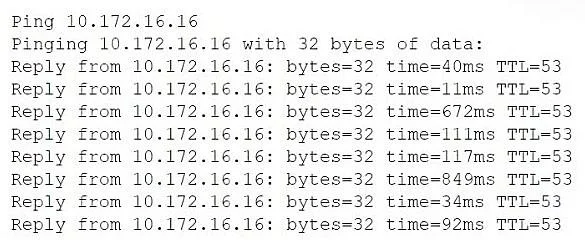
A network administrator receives a ticket from one of the company's offices about video calls that work normally for one minute and then get very choppy. The network administrator pings the video…
The correct answer is B. Jitter. Jitter is the variation in packet arrival times. Real-time protocols like video conferencing are extremely sensitive to inconsistent packet delivery. The fact that calls work normally for the first minute and then become choppy is the classic symptom of jitter: packets are…
Question
A network administrator receives a ticket from one of the company's offices about video calls that work normally for one minute and then get very choppy. The network administrator pings the video server from that site to ensure that it is reachable:
Which of the following is most likely the cause of the video call issue?
Exhibit
Options
- AThroughput
- BJitter
- CLatency
- DLoss
How the community answered
(60 responses)- A18% (11)
- B70% (42)
- C8% (5)
- D3% (2)
Explanation
Jitter is the variation in packet arrival times. Real-time protocols like video conferencing are extremely sensitive to inconsistent packet delivery. The fact that calls work normally for the first minute and then become choppy is the classic symptom of jitter: packets are being delivered, but unevenly, causing the codec to produce choppy audio/video. Latency (C) is a consistent delay and would cause noticeable lag from the start. Loss (D) would cause frozen frames or dropped calls. Throughput (A) would cause the call quality to degrade or fail entirely rather than become intermittently choppy.
Topics
Community Discussion
No community discussion yet for this question.