
CAS-003 · Question #605
A security analyst is reviewing the following pseudo-output snippet after running the command /tmp/file.tmp. less The information above was obtained from a public-facing website and used to identify…
The correct answer is A. Deploy a solution to sanitize geotagging information. The scenario describes a file (likely an image or document) obtained from a public-facing website that contains embedded geotag metadata used to identify military asset locations. Geotagging embeds GPS coordinates and location data into file metadata (e.g., EXIF data in JPEGs)…
Question
Exhibit
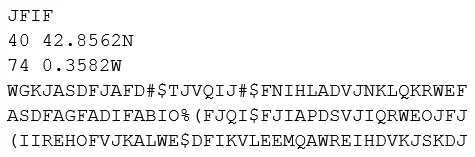
Options
- ADeploy a solution to sanitize geotagging information
- BInstall software to wipe data remnants on servers
- CEnforce proper input validation on mission-critical software
- DImplement a digital watermarking solution
How the community answered
(28 responses)- A82% (23)
- B4% (1)
- C11% (3)
- D4% (1)
Explanation
The scenario describes a file (likely an image or document) obtained from a public-facing website that contains embedded geotag metadata used to identify military asset locations. Geotagging embeds GPS coordinates and location data into file metadata (e.g., EXIF data in JPEGs). Sanitizing or stripping this metadata before publishing files to public websites eliminates the risk of inadvertently exposing sensitive location data. Input validation (C) addresses code injection, not metadata. Data remnant wiping (B) and digital watermarking (D) do not address the root cause of the metadata exposure.
Topics
Community Discussion
No community discussion yet for this question.