
AD0-E605 · Question #35
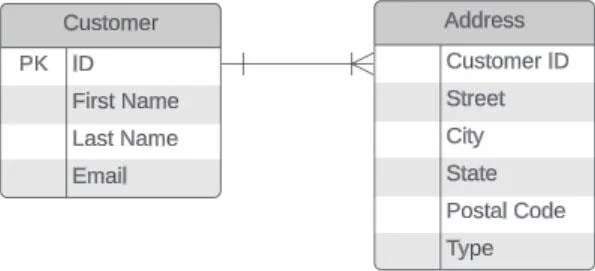
While modeling the real-time customer profile, it is discovered that a single customer profile can have multiple address types (Home, Office, Shipping) as seen from the customer's data warehouse…
The correct answer is A. Model each address as its own distinct object within an XDM Individual Profile class-based. Option A is correct because XDM Individual Profile schemas support modeling semantically distinct address types (Home, Office, Shipping) as separate, named address objects - each with its own field group definition. This preserves the semantic meaning of each address type…
Question
While modeling the real-time customer profile, it is discovered that a single customer profile can have multiple address types (Home, Office, Shipping) as seen from the customer's data warehouse. Given this discovery, what is the best option to choose for modeling the customer addresses for the Real-Time Customer Profile?
Exhibit
Options
- AModel each address as its own distinct object within an XDM Individual Profile class-based
- BModel addresses as an array of addresses in an XDM Individual Profile class-based schema
- CModel addresses as individual events using an XDM Experience Event class-based schema
- DModel addresses as static key-value pairs in a lookup table outside of the XDM schema
How the community answered
(28 responses)- A82% (23)
- B11% (3)
- C4% (1)
- D4% (1)
Explanation
Option A is correct because XDM Individual Profile schemas support modeling semantically distinct address types (Home, Office, Shipping) as separate, named address objects - each with its own field group definition. This preserves the semantic meaning of each address type, enables precise profile merging and identity resolution, and aligns with Adobe's XDM standard field groups like homeAddress and workAddress.
Why the distractors fail:
- B (array): An array collapses distinct address types into a generic list, losing semantic clarity and complicating profile merge rules - arrays work better for homogeneous, variable-length collections where type doesn't matter.
- C (Experience Events): XDM Experience Event schemas are designed for time-series behavioral data (clicks, purchases), not static profile attributes like addresses; mixing them violates the fundamental record vs. event distinction.
- D (lookup table outside XDM): This breaks schema unification entirely - the whole point of XDM is a single governed schema; external key-value tables can't participate in Real-Time Profile merge or identity stitching.
Memory tip: When address types are predefined and semantically named, think "named objects" (distinct). When you have an unknown number of the same thing, think "array." Home ≠ Office ≠ Shipping → each deserves its own distinct object in the profile.
Topics
Community Discussion
No community discussion yet for this question.