
352-011 · Question #86
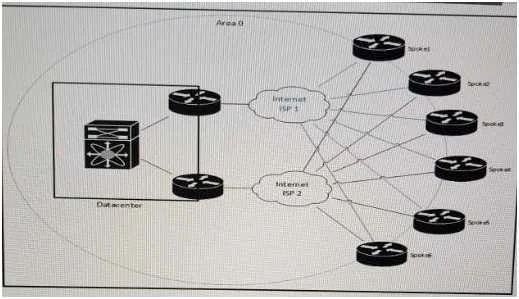
Refer to the exhibit. You must review this single OSPF area, DMVPN network because the company has noticed a few area 0 convergence and stability issues. Also, traffic destined to the data center…
Sign in or unlock 352-011 to reveal the answer and full explanation for question #86. The question stem and answer options stay visible for context.
Question
Refer to the exhibit. You must review this single OSPF area, DMVPN network because the company has noticed a few area 0 convergence and stability issues. Also, traffic destined to the data center from one of the spokes as the next hop on the path. The company prefers that all traffic destined to the data center uses the least amount of hops. Which solution resolves these issues with the minimum amount of changes on the network?
Exhibit
Options
- AMigrate from OSPF to static routes between the hub routers and the spoke routers and deploy IP
- BMigrate from OSPF to EIGRP between the hub routers and the spoke routers
- CModify OSPF cost metrics on all backup links
- DCreate areas between each hub and their spoke routers, to ensure that the hub routers become
Unlock 352-011 to see the answer
You've previewed enough free 352-011 questions. Unlock 352-011 for full answers, explanations, the timed quiz mode, progress tracking, and the master PDF. Question stem and options stay visible so you can still see what's on the exam.