
Cisco
352-011 · Question #68
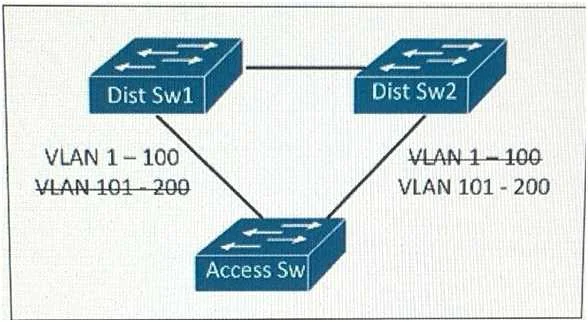
Refer to the exhibit. This layer 2 network is expected to add 150 VLANS over the next year, In addition to the existing 50 VLANs within the network which STP types will support this design…
Sign in or unlock 352-011 to reveal the answer and full explanation for question #68. The question stem and answer options stay visible for context.
Enterprise Network Design
Question
Refer to the exhibit. This layer 2 network is expected to add 150 VLANS over the next year, In addition to the existing 50 VLANs within the network which STP types will support this design requirement the least amount of CPU resource and achieving load balancing?
Exhibit
Options
- APVST+
- BCST
- CMST
- DRSTP
Unlock 352-011 to see the answer
You've previewed enough free 352-011 questions. Unlock 352-011 for full answers, explanations, the timed quiz mode, progress tracking, and the master PDF. Question stem and options stay visible so you can still see what's on the exam.
Topics
#Spanning Tree Protocol#Network scalability#Resource optimization#Load balancing