
350-501 · Question #619
Refer to the exhibit. What is the effect of this REST API script?
The correct answer is C. It enables the interface immediately when executed. A REST API script that modifies an interface's operational state to 'up' or 'enabled' will immediately activate the interface when executed.
Question
Refer to the exhibit. What is the effect of this REST API script?
Exhibit
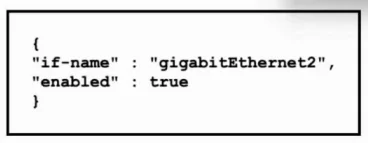
Options
- AIt creates the interface in an enabled state.
- BIt disables the interface until a configurable timer expires and then enables it.
- CIt enables the interface immediately when executed.
- DIt shuts down the interface until the interface is manually turned up.
How the community answered
(28 responses)- A4% (1)
- B4% (1)
- C93% (26)
Why each option
A REST API script that modifies an interface's operational state to 'up' or 'enabled' will immediately activate the interface when executed.
The script described primarily modifies the state of an *existing* interface. While an interface might be enabled upon creation, the core effect of setting its state to 'up' is enablement, not creation.
REST API calls for state changes are generally immediate. There is no standard behavior for a simple command to enable an interface to involve a configurable timer for delayed activation.
When a REST API script is executed to set an interface's administrative state to 'up' or 'enabled' (e.g., typically `admin-state: up` in a YANG-based model), the interface immediately transitions to an operational state. This allows the interface to begin processing and forwarding network traffic without delay.
Shutting down an interface would involve setting its `admin-state` to 'down' or 'disabled'. Setting the state to 'up' is the opposite action, bringing the interface online rather than taking it offline.
Concept tested: REST API for network device interface state
Topics
Community Discussion
No community discussion yet for this question.