
300-515 · Question #136
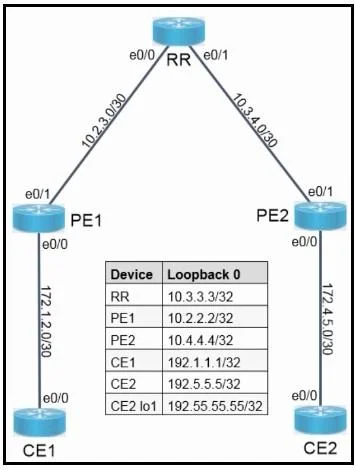
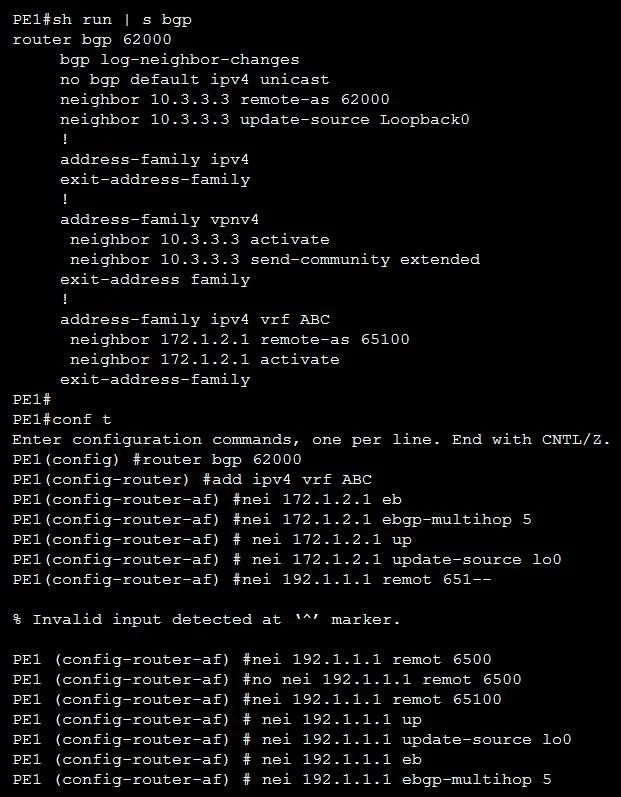
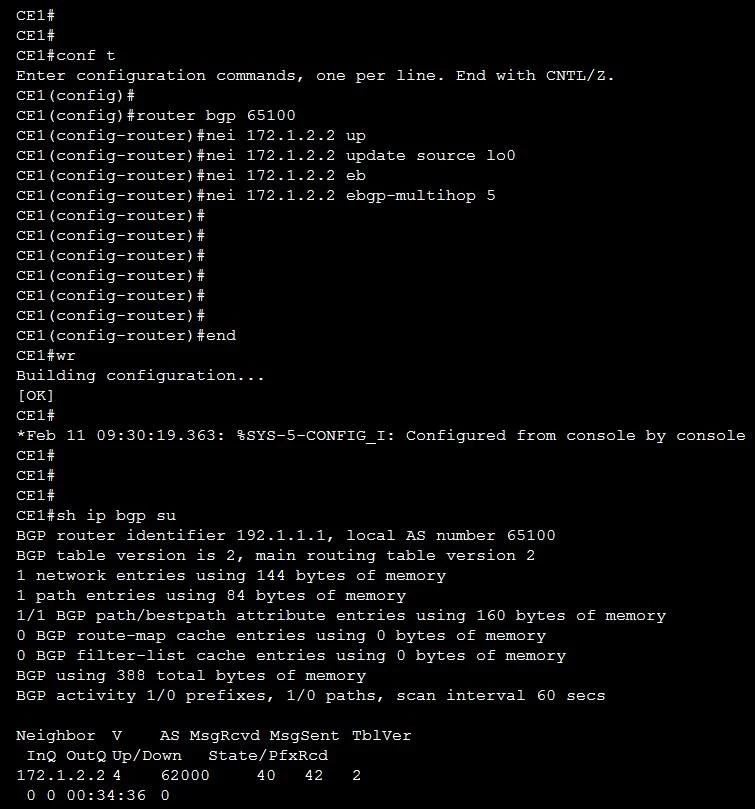
SIMULATION 2 Guidelines This is a lab item in which tasks will be performed on virtual devices. Refer to the Tasks tab to view the tasks for this lab item Refer to the Topology tab to access the…
The correct answer is D. The PE redistributes the OSPFv3 into MP-BGP in the VPNv4 address family. Note: The provided answer key appears to contain an error. Marking D as correct conflicts with the scenario itself - here's why this matters: Why D is technically incorrect (and likely a mistake in the answer key): VPNv4 carries IPv4 prefixes with Route Distinguishers. Since…
Question
Exhibits
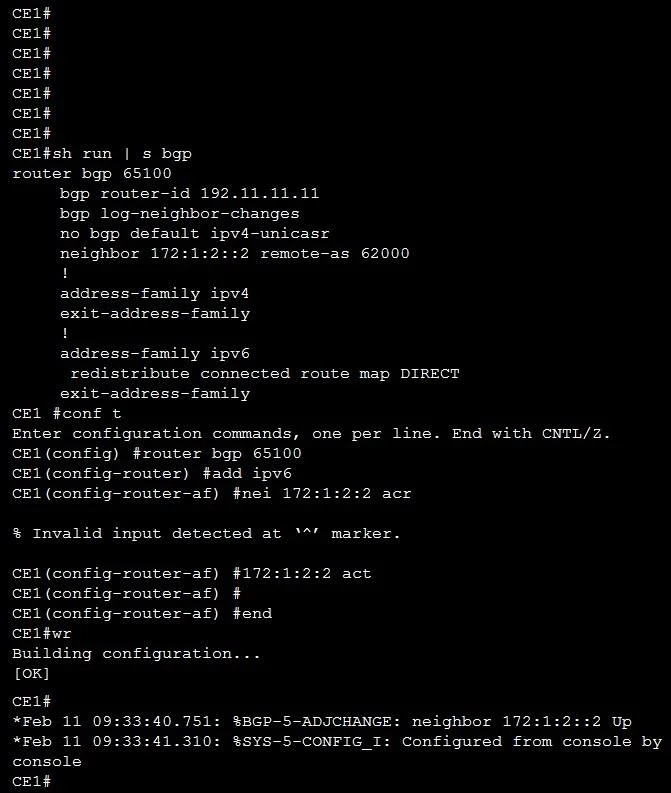
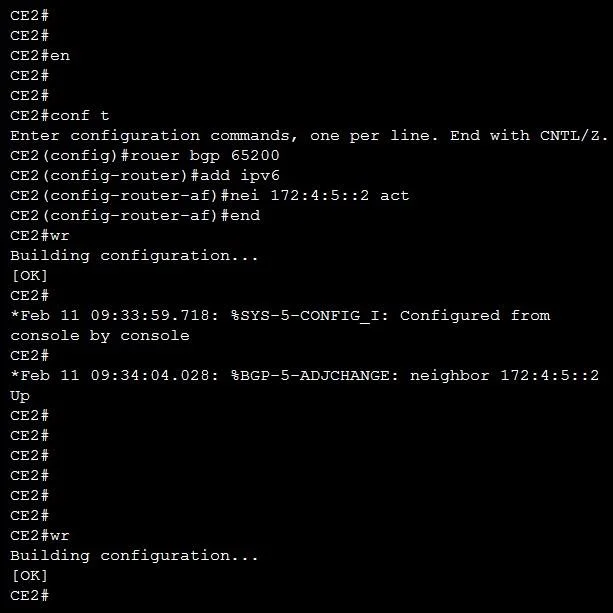
Options
- AA 6to4 tunnel is needed to transmit IPv6 traffic between customer sites over an MPLS SP core.
- BThe PE redistributes the OSPFv3 into MP-BGP in the VPNv6 address family.
- CA GRE tunnel is needed to transmit IPv6 traffic between customer sites over an MPLS SP core.
- DThe PE redistributes the OSPFv3 into MP-BGP in the VPNv4 address family.
How the community answered
(42 responses)- A14% (6)
- B7% (3)
- C2% (1)
- D76% (32)
Explanation
Note: The provided answer key appears to contain an error. Marking D as correct conflicts with the scenario itself - here's why this matters:
Why D is technically incorrect (and likely a mistake in the answer key): VPNv4 carries IPv4 prefixes with Route Distinguishers. Since CE1 and CE2 are IPv6 devices, the correct MP-BGP address family to use is VPNv6, not VPNv4. Applying VPNv4 here would not transport IPv6 customer routes across the MPLS core.
Why the other options are wrong:
- A (6to4 tunnel): MPLS L3VPN natively supports IPv6 via 6VPE (IPv6 Provider Edge); no 6to4 tunnel is needed or appropriate.
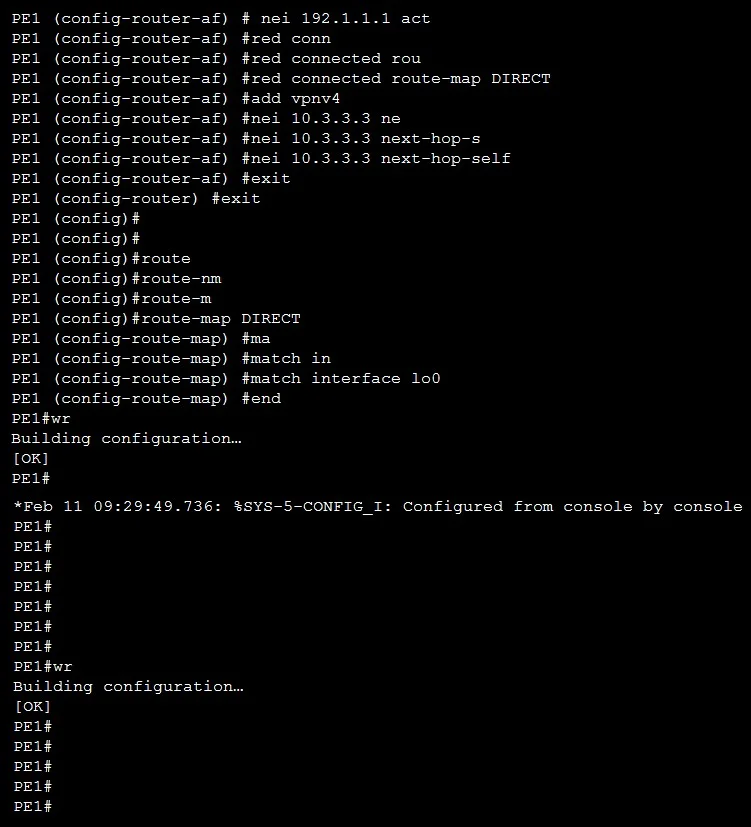
- B: This is actually the closest to correct in principle - the PE does redistribute into MP-BGP under the VPNv6 address family - but the solution uses
redistribute connected(not OSPFv3), and the routing protocol between PE and CE here is BGP, not OSPF. - C (GRE tunnel): Same flaw as A - MPLS L3VPN eliminates the need for any overlay tunnel for customer IPv6 traffic.
The real takeaway for exam takers: For IPv6 MPLS L3VPN (6VPE), PEs use the VPNv6 address family in MP-BGP, activate IPv6 BGP neighbors under the VRF, and redistribute connected or CE routes. Memory tip: "IPv6 customers → VPNv6 address family" - the IP version always matches (IPv4 → VPNv4, IPv6 → VPNv6).
If this is from a practice exam, flag this question as likely containing an answer key error.
Topics
Community Discussion
No community discussion yet for this question.