
200-150 · Question #137
Refer to the exhibit. Regarding the OSI networking model and the updated TCP/IP networking model, which statement about this scenario is true?
The correct answer is C. Model A is OSI, Model B is TCP/IP, Layer C is Transport, Layer D is Data Link, and Layer E is. The OSI model (Model A, 7 layers) and the updated TCP/IP model (Model B, 5 layers) share common layers including Transport and Data Link, which are correctly identified in answer C.
Question
Refer to the exhibit. Regarding the OSI networking model and the updated TCP/IP networking model, which statement about this scenario is true?
Exhibit
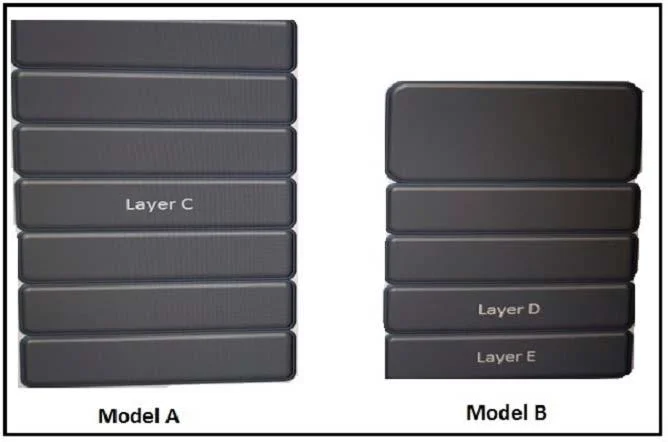
Options
- AModel A is TCP/IP, Model B is OSI, Layer C is Transport, Layer D is Internet, and Layer E is
- BModel A is OSI, Model B is TCP/IP, Layer C is Session, Layer D is Network, and Layer E is
- CModel A is OSI, Model B is TCP/IP, Layer C is Transport, Layer D is Data Link, and Layer E is
- DModel A is TCP/IP, Model B is OSI, Layer C is Transport, Layer D is Internet, and Layer E is
How the community answered
(26 responses)- A4% (1)
- B15% (4)
- C73% (19)
- D8% (2)
Why each option
The OSI model (Model A, 7 layers) and the updated TCP/IP model (Model B, 5 layers) share common layers including Transport and Data Link, which are correctly identified in answer C.
Assigning TCP/IP as Model A is incorrect because the TCP/IP model has fewer layers (4 or 5) than the 7-layer OSI model - TCP/IP cannot be the model with more granular layers.
While the model assignments are correct, labeling Layer C as Session is wrong because the Session layer exists only in OSI above Transport - both models share a Transport layer at the equivalent position where Layer C appears.
Model A is correctly identified as OSI because it contains the full 7-layer stack including Session and Presentation layers absent in TCP/IP. Model B is the updated TCP/IP model with 5 layers. Layer C - Transport - and Layer D - Data Link - appear by those names in both the OSI model and the updated 5-layer TCP/IP model, making this the accurate mapping.
This answer incorrectly assigns TCP/IP as Model A, and labeling Layer D as Internet is only valid for the TCP/IP model - in the OSI model (the 7-layer model) the equivalent layer is called Network, not Internet.
Concept tested: OSI vs updated TCP/IP model layer mapping
Source: https://www.cisco.com/en/US/docs/internetworking/technology/handbook/OSI-Layers.html
Topics
Community Discussion
No community discussion yet for this question.