
SY0-501 · Question #133
Drag and Drop Questions A forensic analyst is asked to respond to an ongoing network attack on a server. Place the items in the list below in the correct order in which the forensic analyst should…
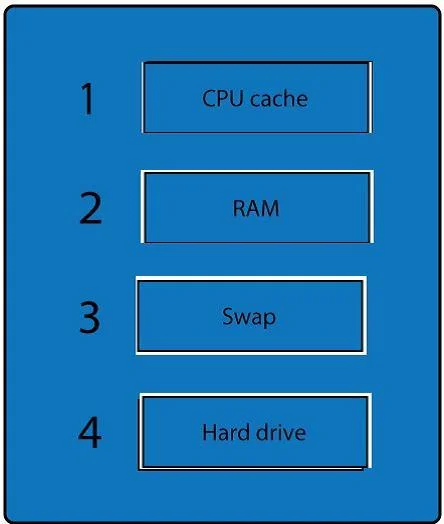
The correct answer is CPU cache; RAM; Swap; Hard drive. In digital forensics, evidence must be collected in order of volatility - from most volatile (data lost quickest) to least volatile (data persists longest). CPU cache is the most volatile as it is lost the instant power is interrupted or processes change, followed by RAM which…
Question
Exhibits
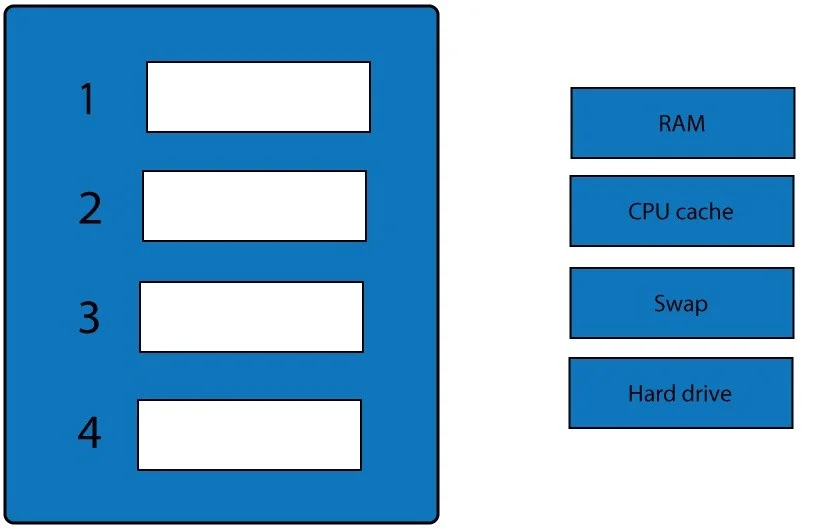
Answer Area
Drag items
Correct arrangement
- CPU cache
- RAM
- Swap
- Hard drive
Explanation
In digital forensics, evidence must be collected in order of volatility - from most volatile (data lost quickest) to least volatile (data persists longest). CPU cache is the most volatile as it is lost the instant power is interrupted or processes change, followed by RAM which loses data on power loss, then swap space (virtual memory on disk) which is more persistent than RAM but still temporary, and finally the hard drive which retains data without power indefinitely. This 'Order of Volatility' principle, outlined in RFC 3227, ensures the most transient and easily lost evidence is captured first.
Topics
Community Discussion
No community discussion yet for this question.