
SPLK-1002 · Question #291
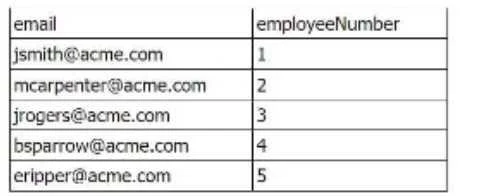
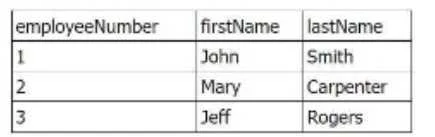
Two separate results tables are being combined using the join command. The outer table has the following values: The inner table has the following values: The line of SPL used to join the tables is…
The correct answer is C. Five. In this case, the outer join is applied, which means that all rows from the outer (left) table will be included, even if there are no matching rows in the inner (right) table. The result will include all five rows from the outer table, with the matched data from the inner table…
Question
Two separate results tables are being combined using the join command. The outer table has the following values:
The inner table has the following values:
The line of SPL used to join the tables is: join employeeNumber type=outer How many rows are returned in the new table?
Exhibits
Options
- AThree
- BEight
- CFive
- DZero
How the community answered
(58 responses)- A7% (4)
- B3% (2)
- C78% (45)
- D12% (7)
Explanation
In this case, the outer join is applied, which means that all rows from the outer (left) table will be included, even if there are no matching rows in the inner (right) table. The result will include all five rows from the outer table, with the matched data from the inner table where employeeNumber matches. Rows without matching employeeNumber values will have null values for the fields from the inner table.
Topics
Community Discussion
No community discussion yet for this question.