
Google
PROFESSIONAL-DATA-ENGINEER · Question #290
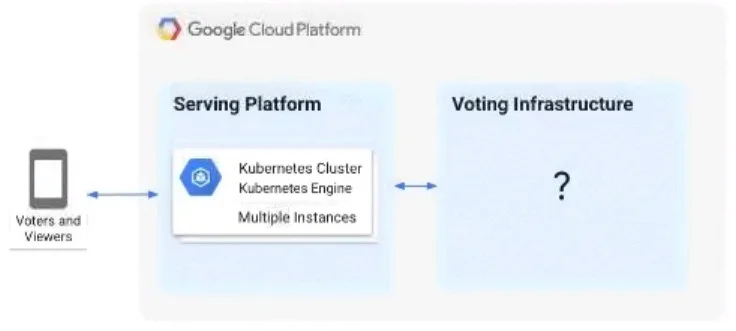
A live TV show asks viewers to cast votes using their mobile phones. The event generates a large volume of data during a 3-minute period. You are in charge of the "Voting infrastructure" and must…
Sign in or unlock PROFESSIONAL-DATA-ENGINEER to reveal the answer and full explanation for question #290. The question stem and answer options stay visible for context.
Submitted by weili_xi· Mar 30, 2026Designing data processing systems
Question
A live TV show asks viewers to cast votes using their mobile phones. The event generates a large volume of data during a 3-minute period. You are in charge of the "Voting infrastructure" and must ensure that the platform can handle the load and that all votes are processed. You must display partial results while voting is open. After voting closes, you need to count the votes exactly once while optimizing cost. What should you do?
Exhibit
Options
- ACreate a Memorystore instance with a high availability (HA) configuration.
- BCreate a Cloud SQL for PostgreSQL database with high availability (HA) configuration and multiple read replicas.
- CWrite votes to a Pub/Sub topic and have Cloud Functions subscribe to it and write votes to BigQuery.
Unlock PROFESSIONAL-DATA-ENGINEER to see the answer
You've previewed enough free PROFESSIONAL-DATA-ENGINEER questions. Unlock PROFESSIONAL-DATA-ENGINEER for full answers, explanations, the timed quiz mode, progress tracking, and the master PDF. Question stem and options stay visible so you can still see what's on the exam.
Topics
#Pub/Sub#BigQuery#Real-time Analytics#Scalable Data Ingestion