
P_SAPEA_2023 · Question #42
When creating an application architecture roadmap, the WHAT and WHERE are defined in a rather straightforward way, while the WHOM may differ by context. Multiple roadmap clusters may apply a variety…
The correct answer is B. Material Groups/Products, raw materials. Spare parts/Direct Materials, indirect materials C. Groups of Persons/Permanent Staff, Contracted Staff, Students/Business Expense/Operational D. Working model/Home office, head quarter, affiliate. When creating an application architecture roadmap, the WHOM' dimension refers to the stakeholders or entities that will be impacted by or interact with the application. This dimension can vary greatly depending on the context and the specific focus areas of the roadmap. The…
Question
When creating an application architecture roadmap, the WHAT and WHERE are defined in a rather straightforward way, while the WHOM may differ by context. Multiple roadmap clusters may apply a variety of WHOM dimensions. For example, procurement vs. asset management. Which of the following definitions are correct? Note. There are 3 correct answers to this question.
Exhibit
Options
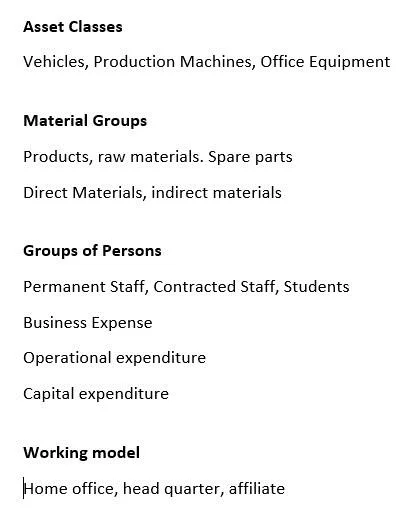
- AAsset Classes/Vehicles, Production Machines, Office Equipment
- BMaterial Groups/Products, raw materials. Spare parts/Direct Materials, indirect materials
- CGroups of Persons/Permanent Staff, Contracted Staff, Students/Business Expense/Operational
- DWorking model/Home office, head quarter, affiliate
How the community answered
(33 responses)- A24% (8)
- B76% (25)
Explanation
When creating an application architecture roadmap, the WHOM' dimension refers to the stakeholders or entities that will be impacted by or interact with the application. This dimension can vary greatly depending on the context and the specific focus areas of the roadmap. The correct answers that define the WHOM' dimension in various contexts are: Material Groups/Products: This refers to the categorization of items such as raw materials, spare parts, direct materials, and indirect materials. These groups are relevant stakeholders in the context of procurement and supply chain management applications. Groups of Persons/Business Expense: This includes different categories of personnel such as permanent staff, contracted staff, and students. It also encompasses different types of expenses like operational expenditure and capital expenditure, which are crucial considerations for financial management and human resource management applications. Working model: This pertains to the various operational models such as home office, headquarters, and affiliates. These models are significant for applications that manage organizational structures, remote work capabilities, and location-based access to resources.
Topics
Community Discussion
No community discussion yet for this question.