
Juniper
JN0-663 · Question #50
Click the Exhibit button. Referring to the exhibit, you have a network that uses PIM-SM and you need to block certain PIM register messages. Which two statements are Correct in this situation?…
Sign in or unlock JN0-663 to reveal the answer and full explanation for question #50. The question stem and answer options stay visible for context.
Multicast
Question
Click the Exhibit button. Referring to the exhibit, you have a network that uses PIM-SM and you need to block certain PIM register messages. Which two statements are Correct in this situation? (Choose two.)
Exhibit
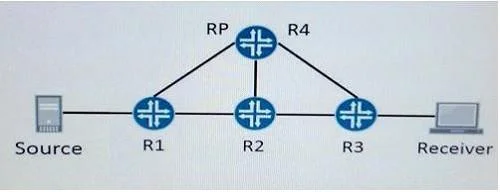
Options
- AYou should apply a policy that blocks PIM register messages from the source on R4.
- BYou should apply a policy that blocks PIM register messages from the source on R3.
- CYou should apply a policy that blocks PIM register messages from the source on R2.
- DYou should apply a policy that blocks PIM register messages from the source on R1.
Unlock JN0-663 to see the answer
You've previewed enough free JN0-663 questions. Unlock JN0-663 for full answers, explanations, the timed quiz mode, progress tracking, and the master PDF. Question stem and options stay visible so you can still see what's on the exam.
Topics
#PIM-SM#register messages#PIM policy#RP