
BCS-ISEB
ISEB-SWTINT1 · Question #18
Given the following state transition diagram. Which of the following series of state transitions contains an INVALID transition which may indicate a fault in the system design?
Sign in or unlock ISEB-SWTINT1 to reveal the answer and full explanation for question #18. The question stem and answer options stay visible for context.
Test Techniques
Question
Given the following state transition diagram. Which of the following series of state transitions contains an INVALID transition which may indicate a fault in the system design?
Exhibit
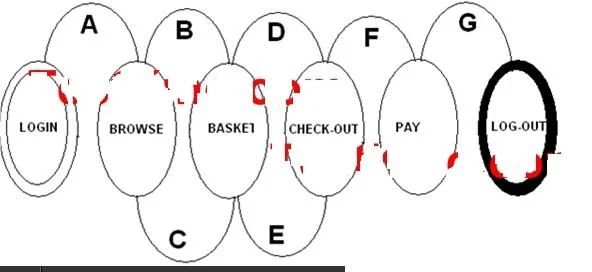
Options
- ALogin Browse Basket Checkout Basket Checkout Pay Logout.
- BLogin Browse Basket Checkout Pay Logout.
- CLogin Browse Basket Checkout Basket Logout.
- DLogin Browse Basket Browse Basket Checkout Pay Logout.
Unlock ISEB-SWTINT1 to see the answer
You've previewed enough free ISEB-SWTINT1 questions. Unlock ISEB-SWTINT1 for full answers, explanations, the timed quiz mode, progress tracking, and the master PDF. Question stem and options stay visible so you can still see what's on the exam.
Topics
#state transition testing#invalid transitions#fault detection#state diagram