
GPEN · Question #479
You've been asked to test a non-transparent proxy lo make sure it is working. After confirming the browser is correctly pointed at the proxy, you try to browse a web site. The browser indicates it…
The correct answer is C. The proxy is configured to trap requests. When a non-transparent proxy is configured to trap (intercept) requests, it holds the outbound HTTP request and waits for manual forwarding, leaving the browser in a perpetual loading state.
Question
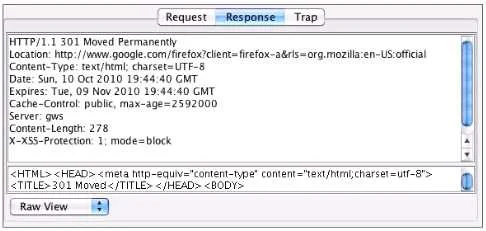
You've been asked to test a non-transparent proxy lo make sure it is working. After confirming the browser is correctly pointed at the proxy, you try to browse a web site. The browser indicates it is "loading" but never displays any part the page. Checking the proxy, you see a valid request in the proxy from your browser. Checking the response to the proxy, you see the results displayed in the accompanying screenshot. Which of the following answers is the most likely reason the browser hasn't displayed the page yet?
Exhibit
Options
- AThe proxy is likely hung and must be restarted.
- BThe proxy is configured to trap responses.
- CThe proxy is configured to trap requests.
- DThe site you are trying to reach is currently down.
How the community answered
(63 responses)- A5% (3)
- B8% (5)
- C71% (45)
- D16% (10)
Why each option
When a non-transparent proxy is configured to trap (intercept) requests, it holds the outbound HTTP request and waits for manual forwarding, leaving the browser in a perpetual loading state.
A hung proxy would likely show no activity or an error state rather than a valid request captured and waiting in an intercept queue.
Trapping responses would still allow the request to be forwarded to the server - the response would arrive at the proxy and only be held before delivery back to the browser, which is a different failure mode.
When a proxy such as Burp Suite is configured to intercept (trap) requests, the outbound HTTP request from the browser is captured and held at the proxy, never forwarded to the destination web server. Because the server never receives the request, no response is generated and the browser waits indefinitely. This explains why a valid request is visible in the proxy yet the page never loads.
If the site were down, the proxy would receive a connection timeout or error from the remote server, not a cleanly held local intercept request.
Concept tested: Non-transparent proxy request interception and trapping
Source: https://portswigger.net/burp/documentation/desktop/tools/proxy/intercept
Topics
Community Discussion
No community discussion yet for this question.