
Fortinet
FCSS_LED_AR-7.6 · Question #63
FCSS_LED_AR-7.6 Question #63: Real Exam Question with Answer & Explanation
Sign in or unlock FCSS_LED_AR-7.6 to reveal the answer and full explanation for question #63. The question stem and answer options stay visible for context.
Question
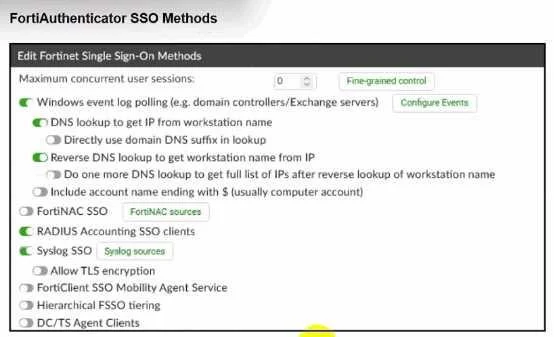
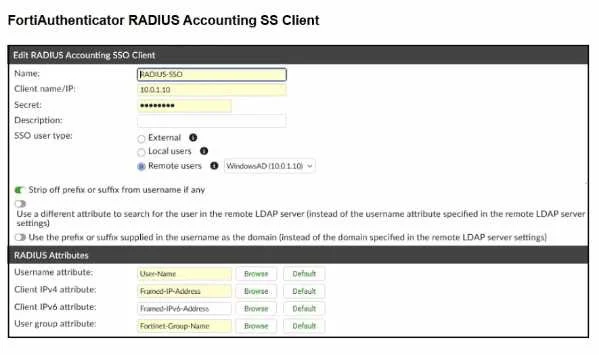
Refer to the exhibits. A company has multiple FortiGate devices deployed and wants to centralize user authentication and authorization. The administrator decides to use FortiAuthenticator to convert RSSO messages to FSSO, allowing all FortiGate devices to receive user authentication updates. After configuring FortiAuthenticator to receive RADIUS accounting messages, users can authenticate, but FortiGate does not enforce the correct policies based on user groups. Upon investigation, the administrator discovers that FortiAuthenticator is receiving RADIUS accounting messages from the RADIUS server and successfully queries LDAP for user group information. But, FSSO updates are not being sent to FortiGate devices and FortiGate firewall policies based on FSSO user groups are not being applied. What is the most likely reason FortiGate is not receiving FSSO updates?
Exhibits
Options
- AThe RADIUS Username and Client IPv4 attributes are not defined on FortiAuthenticator.
- BThe LDAP server is not configured to retrieve group memberships for RSSO users.
- CFortiAuthenticator is missing the FSSO user group attribute in the configuration.
- DThe FortiAuthenticator interface is not enabled to receive RADIUS accounting messages.
Unlock FCSS_LED_AR-7.6 to see the answer
You've previewed enough free FCSS_LED_AR-7.6 questions. Unlock FCSS_LED_AR-7.6 for full answers, explanations, the timed quiz mode, progress tracking, and the master PDF. Question stem and options stay visible so you can still see what's on the exam.