
Dell-EMC
E10-001 · Question #55
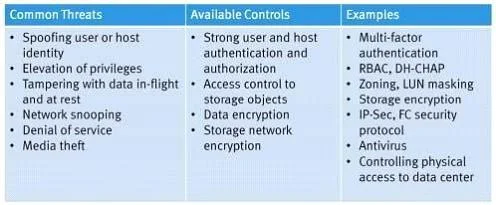
Which two mechanisms address threats of elevating user privileges in the application access domain?
Sign in or unlock E10-001 to reveal the answer and full explanation for question #55. The question stem and answer options stay visible for context.
Securing Storage Infrastructure
Question
Which two mechanisms address threats of elevating user privileges in the application access domain?
Exhibit
Options
- AAuthentication and authorization
- BAccess control to storage objects and Access Control Lists (ACLs)
- CAccess control to storage objects and auditing
- DUser authentication and Information Rights Management (IRM)
Unlock E10-001 to see the answer
You've previewed enough free E10-001 questions. Unlock E10-001 for full answers, explanations, the timed quiz mode, progress tracking, and the master PDF. Question stem and options stay visible so you can still see what's on the exam.
Topics
#authentication#authorization#privilege escalation#application access security