nerdexam
Microsoft

70-659 · Question #22

70-659 Question #22: Real Exam Question with Answer & Explanation

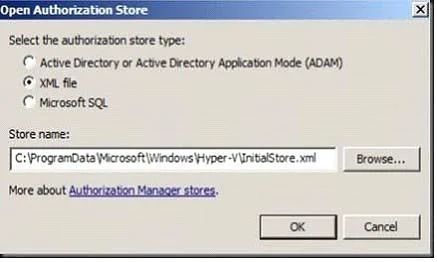
The correct answer is B. the IntialStore.xml file. Easy way is navigate to the location where InitialStore.xml is residing and manual backup the file. Another way is by using DPM 2010. Normally we overlook the setting and click Next all the way. Let me show you the place where the Initial Store is? This picture is taken from my p

Question

A company has a Windows server 2008 R2 Hyper-V server environment. You need to back up the Windows Authorization Manager (AzMan) policy. What should you back up?

Exhibits

70-659 question #22 exhibit 1
70-659 question #22 exhibit 2

Options

  • Athe InitialStore.ini file
  • Bthe IntialStore.xml file
  • Cthe System state
  • Dthe registry

Explanation

Easy way is navigate to the location where InitialStore.xml is residing and manual backup the file. Another way is by using DPM 2010. Normally we overlook the setting and click Next all the way. Let me show you the place where the Initial Store is? This picture is taken from my previous article. Concentrate looking at below the "red box". Tick Initial Store will automatically backup AzMan configuration. The initial store contains the security permissions for Hyper-V's Authorization Manager (azman). This is an xml file located in %systemdrive%\ProgramData\Microsoft\Windows\Hyper-V. You would only need to perform a restore if this xml file becomes corrupt or is deleted somehow. Backing up virtual machines and the initial store are independent of each other. You only need to back up the initial store if you are using the Authorization Manager in Hyper-V and don't want to lose your settings. Authorization Manager Authorization Manager provides a flexible framework for integrating role-based access control into applications. It enables administrators who use those applications to provide access through assigned user roles that relate to job functions. Authorization Manager applications store authorization policy in the form of authorization stores that are stored in Active Directory Domain Services (AD DS), Active Directory Lightweight Directory Services (AD LDS), XML files, or Microsoft SQL Server databases. These polices are then applied at runtime.

Community Discussion

No community discussion yet for this question.

Full 70-659 Practice