
350-501 · Question #523
An organization with big data requirements is implementing NETCONF as part of its migration to a new cloud-based environment. The organization has multiple offices across widespread geography. A…
The correct answer is C. <xml version="1.0" encoding="utf-8"?> <rpc xmlns="urn:ietf:params:xml:ns:netconf:base:1.0" message-id=""> <cisco-ia:save-config xmlns:cisco-ia="http://cisco.com/yang/cisco-ia"/> </rpc>. The configuration in chosen option represents the NETCONF <rpc> request used to save the running configuration. It uses the <cisco-ia:save-config> operation, which is specific to Cisco devices. This operation ensures that the running configuration is saved persistently on the…
Question
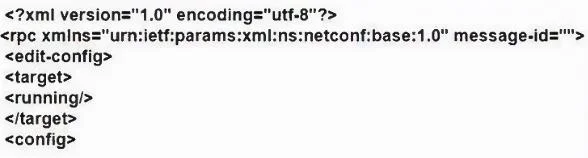
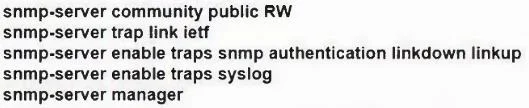
An organization with big data requirements is implementing NETCONF as part of its migration to a new cloud-based environment. The organization has multiple offices across widespread geography. A network engineer is configuring NETCONF on one of the border routers. Which configuration must the engineer apply to save the running configuration? A. B. C. D.
Exhibits
Options
- A<xml version="1.0" encoding="utf-8"?> <rpc xmlns="urn:ietf:params:xml:ns:netconf:base:1.0" message-id=""> <edit-config> <target> <running/> </target> <config> </config> </rpc>
- Bsnmp-server community public RW snmp-server trap link ietf snmp-server enable traps snmp authentication linkdown linkup snmp-server enable traps syslog snmp-server manager
- C<xml version="1.0" encoding="utf-8"?> <rpc xmlns="urn:ietf:params:xml:ns:netconf:base:1.0" message-id=""> <cisco-ia:save-config xmlns:cisco-ia="http://cisco.com/yang/cisco-ia"/> </rpc>
- Dlogging history debugging logging snmp-trap emergencies logging snmp-trap alerts logging snmp-trap critical logging snmp-trap errors logging snmp-trap warnings logging snmp-trap notifications logging snmp-trap informational logging snmp-trap debugging
How the community answered
(38 responses)- A5% (2)
- B3% (1)
- C89% (34)
- D3% (1)
Explanation
The configuration in chosen option represents the NETCONF <rpc> request used to save the running configuration. It uses the cisco-ia:save-config operation, which is specific to Cisco devices. This operation ensures that the running configuration is saved persistently on the device, meeting the requirement for managing configurations in a NETCONF-enabled environment.
Topics
Community Discussion
No community discussion yet for this question.