
200-301 · Question #928
Drag and Drop Question Drag and drop the Ansible terms from the left onto the right. Answer:
The correct answer is client-server; layered system; cacheable; stateless; uniform interface. The correct arrangement maps the five core REST architectural constraints in their standard order: client-server (separation of concerns between UI and data storage), layered system (intermediary servers can be inserted transparently), cacheable (responses must define…
Question
Exhibits
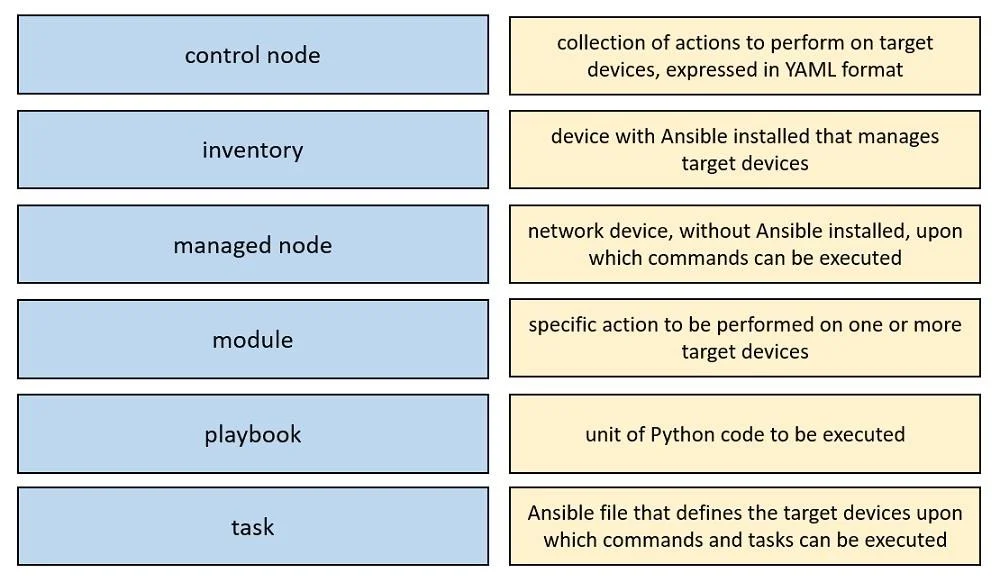
Answer Area
Drag items
Correct arrangement
- client-server
- layered system
- cacheable
- stateless
- uniform interface
Explanation
The correct arrangement maps the five core REST architectural constraints in their standard order: client-server (separation of concerns between UI and data storage), layered system (intermediary servers can be inserted transparently), cacheable (responses must define themselves as cacheable or non-cacheable), stateless (each request contains all information needed; no session state on server), and uniform interface (standardized way clients interact with the server). These five constraints together define RESTful architecture, which underpins Ansible's interaction with REST APIs and modules like 'uri'. Note: this question appears to be testing REST/API architectural principles in the context of Ansible automation rather than Ansible-specific terms per se.
Topics
Community Discussion
No community discussion yet for this question.