
Palo_Alto_Networks
XDR-ENGINEER · Question #19
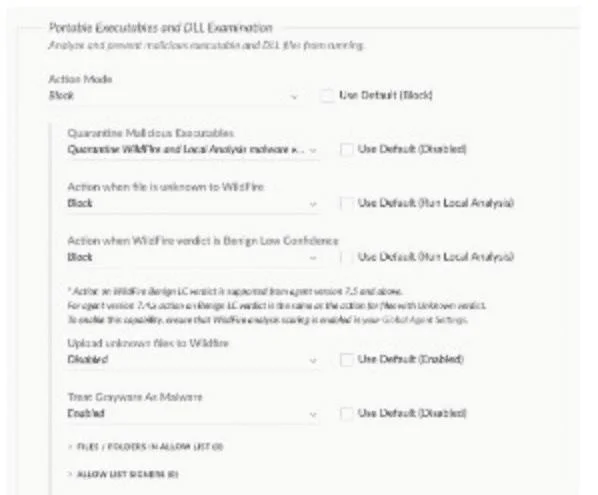
Based on the Malware profile image below, what happens when a new custom-developed application attempts to execute on an endpoint?
Sign in or unlock XDR-ENGINEER to reveal the answer and full explanation for question #19. The question stem and answer options stay visible for context.
Endpoint Security Policy
Question
Based on the Malware profile image below, what happens when a new custom-developed application attempts to execute on an endpoint?
Exhibit
Options
- AIt will immediately execute
- BIt will not execute
- CIt will execute after one hour
- DIt will execute after the second attempt
Unlock XDR-ENGINEER to see the answer
You've previewed enough free XDR-ENGINEER questions. Unlock XDR-ENGINEER for full answers, explanations, the timed quiz mode, progress tracking, and the master PDF. Question stem and options stay visible so you can still see what's on the exam.
Topics
#malware profile#application execution prevention#unknown application#endpoint protection policy