
Splunk
SPLK-5002 · Question #61
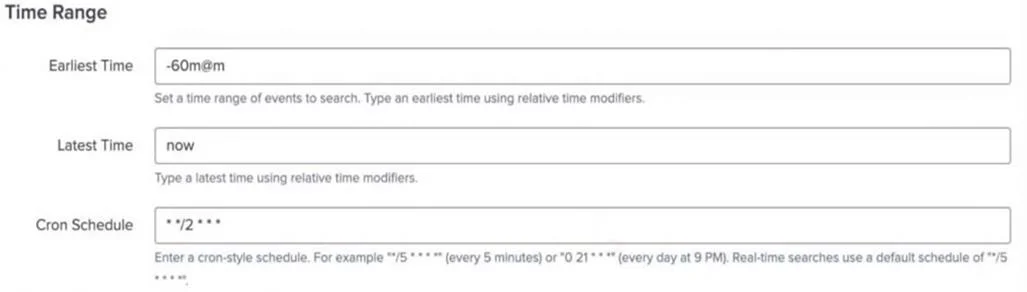
An engineer is examining a correlation search as a part of a detection review, and sees that it is configured in the following fashion: Which of the following is true about this configuration?
Sign in or unlock SPLK-5002 to reveal the answer and full explanation for question #61. The question stem and answer options stay visible for context.
Performance Optimization and Troubleshooting
Question
An engineer is examining a correlation search as a part of a detection review, and sees that it is configured in the following fashion:
Which of the following is true about this configuration?
Exhibit
Options
- AThere could be missing data as the search schedule is not ingesting data properly.
- BThere could be missing findings as the search frequency and time range are improperly
- CThe search will run as prescribed without issue every 30 minutes.
- DThe risk modifiers should be adjusted for an hour of data.
Unlock SPLK-5002 to see the answer
You've previewed enough free SPLK-5002 questions. Unlock SPLK-5002 for full answers, explanations, the timed quiz mode, progress tracking, and the master PDF. Question stem and options stay visible so you can still see what's on the exam.
Topics
#correlation search scheduling#time range gap#detection coverage#search frequency