
PT0-003 · Question #236
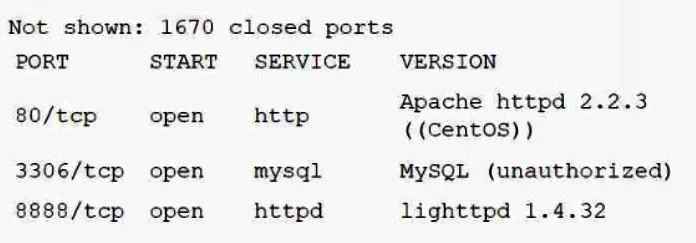
With one day left to complete the testing phase of an engagement, a penetration tester obtains the following results from an Nmap scan: Which of the following tools should the tester use to quickly…
The correct answer is B. SearchSploit. SearchSploit (B) is the right choice because it allows a penetration tester to quickly search the Exploit Database offline for known vulnerabilities matching the services and versions identified in the Nmap scan results. With only one day remaining, speed is critical, and…
Question
With one day left to complete the testing phase of an engagement, a penetration tester obtains the following results from an Nmap scan:
Which of the following tools should the tester use to quickly identify a potential attack path?
Exhibit
Options
- Amsfvenom
- BSearchSploit
- Csqlmap
- DBeEF
How the community answered
(55 responses)- A2% (1)
- B80% (44)
- C13% (7)
- D5% (3)
Explanation
SearchSploit (B) is the right choice because it allows a penetration tester to quickly search the Exploit Database offline for known vulnerabilities matching the services and versions identified in the Nmap scan results. With only one day remaining, speed is critical, and SearchSploit enables rapid identification of public exploits tied to specific software versions, helping map out a viable attack path without requiring an internet connection.
Why the distractors are wrong:
- msfvenom (A) is a payload generation tool used after an attack path has already been identified - it creates shellcode and exploits, not discovers them.
- sqlmap (C) is specifically designed for SQL injection attacks against databases, which is too narrow in scope for identifying a general attack path from scan results.
- BeEF (D) is the Browser Exploitation Framework, focused solely on client-side browser attacks, making it irrelevant for analyzing Nmap output.
Memory Tip: Think of SearchSploit = Search first, exploit later. When you have scan results and need to quickly find what's exploitable, SearchSploit is your go-to reconnaissance-to-exploitation bridge tool - it's like a lightning-fast offline Google for vulnerabilities.
Community Discussion
No community discussion yet for this question.