
NSE7_EFW-7.2 · Question #15
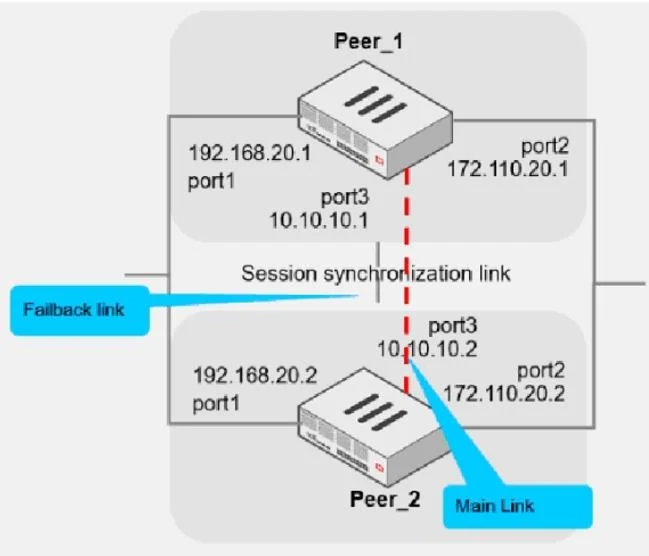
Refer to the exhibit which shows two configured FortiGate devices and peering over FGSP. The main link directly connects the two FortiGate devices and is configured using the set session- syn-dev…
The correct answer is D. To have both sessions and configuration synchronization in layer 2. When peering over FGSP, by default, the FortiGate devices or FGCP clusters, share information over layer 3 between the interfaces that are configured with peer IP addresses. You can also specify the interfaces used to synchronize session in layer 2 instead of layer 3 using the…
Question
Refer to the exhibit which shows two configured FortiGate devices and peering over FGSP. The main link directly connects the two FortiGate devices and is configured using the set session- syn-dev <interface> command. What is the primary reason to configure the main link?
Exhibit
Options
- ATo have only configuration synchronization in layer 3
- BTo load balance both sessions and configuration synchronization between layer 2 and 3
- CTo have both sessions and configuration synchronization in layer 3
- DTo have both sessions and configuration synchronization in layer 2
How the community answered
(23 responses)- A9% (2)
- B4% (1)
- C4% (1)
- D83% (19)
Explanation
When peering over FGSP, by default, the FortiGate devices or FGCP clusters, share information over layer 3 between the interfaces that are configured with peer IP addresses. You can also specify the interfaces used to synchronize session in layer 2 instead of layer 3 using the "session- sync-dev" setting. When a session synchronization interface is configured and FGSP peers are directly connected on this interface, then session synchronization is done over layer 2, only falling back to layer 3 if the session synchronization interface becomes unavailable.
Topics
Community Discussion
No community discussion yet for this question.