nerdexam
Juniper

JN0-637 · Question #120

Referring to the exhibit, what do you use to dynamically secure traffic between the Azure and AWS clouds?

The correct answer is C. You can dynamically secure traffic between the clouds by using security tags in the security. Security tags facilitate dynamic traffic management between cloud environments like Azure and AWS. Tags allow flexible policies that respond to cloud-native events or resource changes, ensuring secure inter-cloud communication. For more information, see Juniper Cloud Security…

Granular Security Policies

Question

Referring to the exhibit, what do you use to dynamically secure traffic between the Azure and AWS clouds?

Exhibit
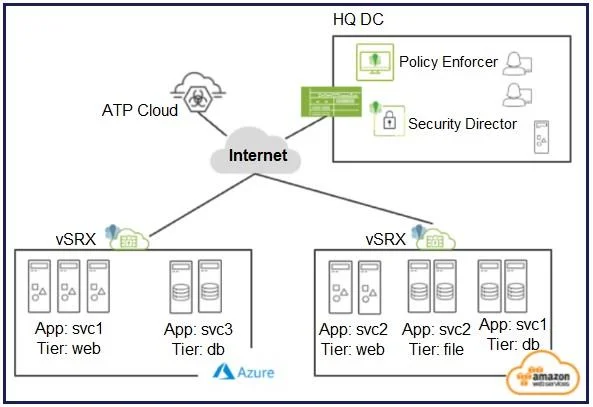
JN0-637 question #120 exhibit

Options

  • AYou can dynamically secure traffic between the clouds by using user identities in the security
  • BYou can dynamically secure traffic between the clouds by using advanced connection tracking in
  • CYou can dynamically secure traffic between the clouds by using security tags in the security
  • DYou can dynamically secure traffic between the clouds by using URL filtering in the security

How the community answered

(21 responses)
  • A
    10% (2)
  • B
    14% (3)
  • C
    71% (15)
  • D
    5% (1)

Explanation

Security tags facilitate dynamic traffic management between cloud environments like Azure and AWS. Tags allow flexible policies that respond to cloud-native events or resource changes, ensuring secure inter-cloud communication. For more information, see Juniper Cloud Security In the scenario depicted in the exhibit, where traffic needs to be dynamically secured between Azure and AWS clouds, the best method to achieve dynamic security is by using security tags in the security policies. Security tags allow dynamic enforcement of security policies based on metadata rather than static IP addresses or zones. This is crucial in cloud environments, where resources and IP addresses can change dynamically. Using security tags in the security policies, you can associate traffic flows with specific applications, services, or virtual machines, regardless of their underlying IP addresses or network locations. This ensures that security policies are automatically updated as cloud resources

Topics

#security tags#cloud security#multi-cloud VPN#dynamic policy

Community Discussion

No community discussion yet for this question.

Full JN0-637 Practice