
HP0-Y50 · Question #13
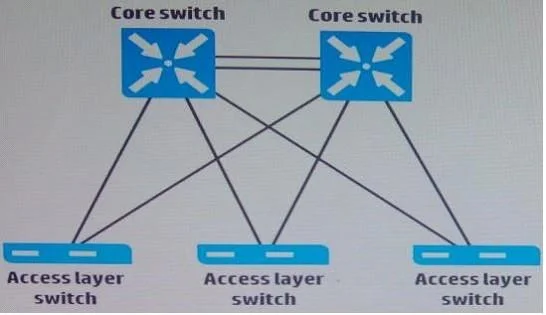
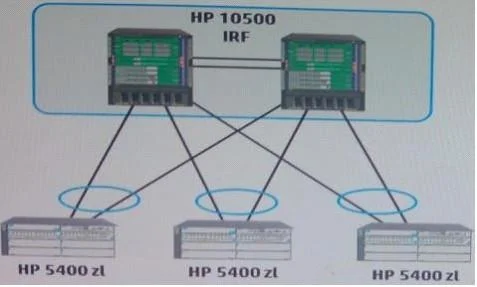
Refer to the exhibits. Exhibit 1 Exhibit 2 A customer has a existing solution, which is shown in Exhibit 1. (The solutionactually includes more access layer switches than shown) in the existing…
Sign in or unlock HP0-Y50 to reveal the answer and full explanation for question #13. The question stem and answer options stay visible for context.
Question
Refer to the exhibits. Exhibit 1 Exhibit 2 A customer has a existing solution, which is shown in Exhibit 1. (The solutionactually includes more access layer switches than shown) in the existing solution, each access layer switch routes traffic. A network architect is proposing the HP Flex Campus solution shown in exhibit 2 in this proposed solution, the core intelligent Resilient Framework (IRF) virtual switch routes traffic, but the access layer switches do not. The customer likes that in the existing solution STP does not block either access layer uplink. The customer also likes that the existing solution does not require Virtual Router Redundancy Protocol (VRRP). What should the architect tell the customer about the benefits of the proposed solution?
Exhibits
Options
- AAlthough the IRF core must implement VRRP, STP does not block either access layer uplink,
- BSTP does not block either access layer uplink, and routing redundancy is provided without VRRP
- CAlthough the IRF core must implement VRRP, VRRP is easier to set up than a dynamic routing
- DSTP will block one uplink on each access layer switch, but IRF enables failover to occur much
Unlock HP0-Y50 to see the answer
You've previewed enough free HP0-Y50 questions. Unlock HP0-Y50 for full answers, explanations, the timed quiz mode, progress tracking, and the master PDF. Question stem and options stay visible so you can still see what's on the exam.