
EC0-350 · Question #78
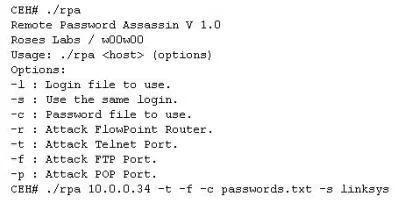
Finding tools to run dictionary and brute forcing attacks against FTP and Web servers is an easy task for hackers. They use tools such as arhontus or brutus to break into remote servers. A command…
Sign in or unlock EC0-350 to reveal the answer and full explanation for question #78. The question stem and answer options stay visible for context.
Question
Finding tools to run dictionary and brute forcing attacks against FTP and Web servers is an easy task for hackers. They use tools such as arhontus or brutus to break into remote servers. A command such as this, will attack a given 10.0.0.34 FTP and Telnet servers simultaneously with a list of passwords and a single login name. linksys. Many FTP-specific password-guessing tools are also available from major security sites. What defensive measures will you take to protect your network from these attacks?
Exhibit
Options
- ANever leave a default password
- BNever use a password that can be found in a dictionary
- CNever use a password related to your hobbies, pets, relatives, or date of birth.
- DUse a word that has more than 21 characters from a dictionary as the password
- ENever use a password related to the hostname, domain name, or anything else that can be found
Unlock EC0-350 to see the answer
You've previewed enough free EC0-350 questions. Unlock EC0-350 for full answers, explanations, the timed quiz mode, progress tracking, and the master PDF. Question stem and options stay visible so you can still see what's on the exam.