
CTAL-TTA_001 · Question #9
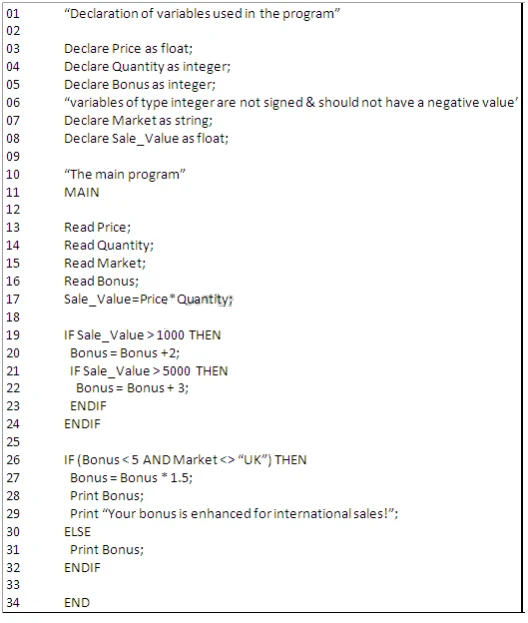
Part 3 "Bonus Program" When performing code reviews, which of the following defect types will be most difficult to find? 1 credit [K2]
The correct answer is C. Memory issues. Memory issues (C) are the hardest to find in code reviews because they are dynamic defects - problems like memory leaks, dangling pointers, or buffer overflows only manifest at runtime under specific conditions (load, timing, OS behavior). Reading static code cannot easily…
Question
Part 3 "Bonus Program" When performing code reviews, which of the following defect types will be most difficult to find? 1 credit [K2]
Exhibit
Options
- ADead code
- BVariable used that is not defined
- CMemory issues
- DConformance to design
How the community answered
(59 responses)- A5% (3)
- B2% (1)
- C92% (54)
- D2% (1)
Explanation
Memory issues (C) are the hardest to find in code reviews because they are dynamic defects - problems like memory leaks, dangling pointers, or buffer overflows only manifest at runtime under specific conditions (load, timing, OS behavior). Reading static code cannot easily reveal whether allocated memory is properly freed or when out-of-bounds access will actually trigger, since the behavior depends on execution state that isn't visible in the source.
Why the distractors are wrong:
- A (Dead code): Unreachable code after
returnstatements or impossible branches is visually obvious to a reviewer scanning the code. - B (Undefined variable): This is trivially caught by compilers and linters; even without tools, a reviewer can trace variable declarations in the same file or scope.
- D (Conformance to design): A reviewer with access to design documents can directly trace whether the implementation matches the specification - it's a static, documentable comparison.
Memory tip: Think "Memory = Mystery" - memory defects hide their symptoms until runtime, making them the invisible defects that slip past even careful code reviews. All other choices can be caught by reading code; memory issues require running it.
Topics
Community Discussion
No community discussion yet for this question.