
A2090-614 · Question #38
A database named TEST was created and two buffer pools named BP_GENERAL and BP_AUDITING were created as follows: The majority of the database tables were created in table space TS1, while one large…
Sign in or unlock A2090-614 to reveal the answer and full explanation for question #38. The question stem and answer options stay visible for context.
Question
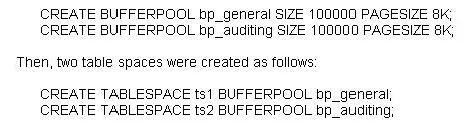
A database named TEST was created and two buffer pools named BP_GENERAL and BP_AUDITING were created as follows:
The majority of the database tables were created in table space TS1, while one large table was created in table space TS2. A set of triggers thatThe majority of the database tables were created in table space TS1, while one large table was created in table space TS2. A set of triggers that would populate the table in table space TS2 each time changes were made to the database were then defined and the database was put into production. At first, ad-hoc queries performing random I/O against the table in table space TS2 ran fine, but performance has gotten worse as the table has gotten larger. What should be done to improve query performance?
Exhibit
Options
- AReduce the size of the BP_AUDITING buffer pool.
- BIncrease the size of the BP_AUDITING buffer pool.
- CChange the page size of the BP_AUDITING buffer pool to 16 or 32 K.
- DReplace the BP_AUDITING buffer pool with a block-based buffer pool.
Unlock A2090-614 to see the answer
You've previewed enough free A2090-614 questions. Unlock A2090-614 for full answers, explanations, the timed quiz mode, progress tracking, and the master PDF. Question stem and options stay visible so you can still see what's on the exam.