
70-466 · Question #150
You are modifying a SQL Server Analysis Services (SSAS) cube that aggregates order data from a Microsoft Azure SQL Database database. The existing database contains a customer dimension. The…
The correct answer is A. Create a dimension named Marketing Category Name and then configure a many-to-many relationship. A many-to-many dimension relationship in SSAS is the correct pattern when customers can belong to multiple categories and categories can span multiple customers.
Question
- A customer member must be able to belong to multiple category members.
- A category member must be able to group several customer members.
- The marketing team must be able to create new categories every month in the data source. You need to implement the appropriate solution to meet the requirements while ensuring that the amount of development and maintenance time is minimized. What should you do? (More than one answer choice may achieve the goal. Select the BEST answer.)
Exhibit
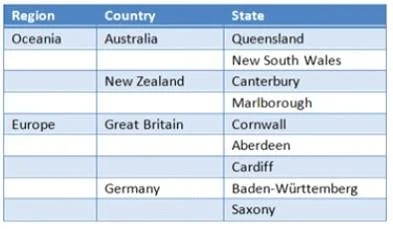
Options
- ACreate a dimension named Marketing Category Name and then configure a many-to-many relationship.
- BCreate a dimension named Marketing Category Name and then configure a regular relationship.
- CAdd an attribute hierarchy named Marketing Category Name to the customer dimension.
- DAdd an attribute hierarchy for each marketing category to the customer dimension. Configure each hierarchy to have two members named Yes and No.
How the community answered
(66 responses)- A79% (52)
- B3% (2)
- C6% (4)
- D12% (8)
Why each option
A many-to-many dimension relationship in SSAS is the correct pattern when customers can belong to multiple categories and categories can span multiple customers.
A many-to-many relationship in SSAS uses an intermediate fact table to resolve the bidirectional membership requirement - one customer maps to multiple categories and one category maps to multiple customers. Creating a separate Marketing Category dimension keeps new monthly categories manageable in the data source without requiring schema or cube development changes, minimizing ongoing maintenance.
A regular dimension relationship is one-to-many (one category per customer), which violates the requirement that a customer can belong to multiple category members.
Adding a single attribute hierarchy to the customer dimension enforces a one-to-one or one-to-many relationship from customer to category, preventing a customer from belonging to multiple categories.
Adding a separate Yes/No hierarchy for each category requires a developer to add a new hierarchy every month as new categories are created, which maximizes rather than minimizes maintenance effort.
Concept tested: SSAS many-to-many dimension relationship configuration
Source: https://learn.microsoft.com/en-us/analysis-services/multidimensional-models/define-a-many-to-many-relationship-and-many-to-many-relationship-properties
Topics
Community Discussion
No community discussion yet for this question.