
412-79V8 · Question #144
The IP protocol was designed for use on a wide variety of transmission links. Although the maximum length of an IP datagram is 64K, most transmission links enforce a smaller maximum packet length…
The correct answer is C. Multiple of eight bytes. See the full explanation below for the reasoning.
Question
The IP protocol was designed for use on a wide variety of transmission links. Although the maximum length of an IP datagram is 64K, most transmission links enforce a smaller maximum packet length limit, called a MTU. The value of the MTU depends on the type of the transmission link. The design of IP accommodates MTU differences by allowing routers to fragment IP datagrams as necessary. The receiving station is responsible for reassembling the fragments back into the original full size IP datagram. IP fragmentation involves breaking a datagram into a number of pieces that can be reassembled later. The IP source, destination, identification, total length, and fragment offset fields in the IP header, are used for IP fragmentation and reassembly. The fragment offset is 13 bits and indicates where a fragment belongs in the original IP datagram. This value is a:
Exhibit
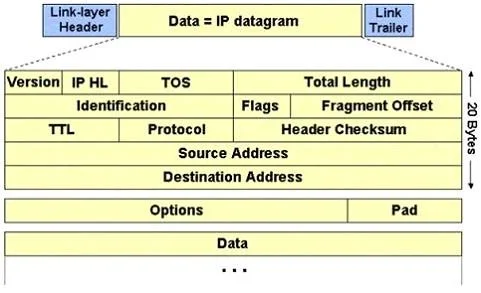
Options
- AMultiple of four bytes
- BMultiple of two bytes
- CMultiple of eight bytes
- DMultiple of six bytes
How the community answered
(41 responses)- A10% (4)
- B15% (6)
- C71% (29)
- D5% (2)
Community Discussion
No community discussion yet for this question.