
300-910 · Question #92
What is a property of Continuous Integration methodology?
The correct answer is B. build automation. Continuous Integration (CI) is a software development practice where developers frequently merge code changes into a central repository, and this process is inherently supported by automated build capabilities.
Question
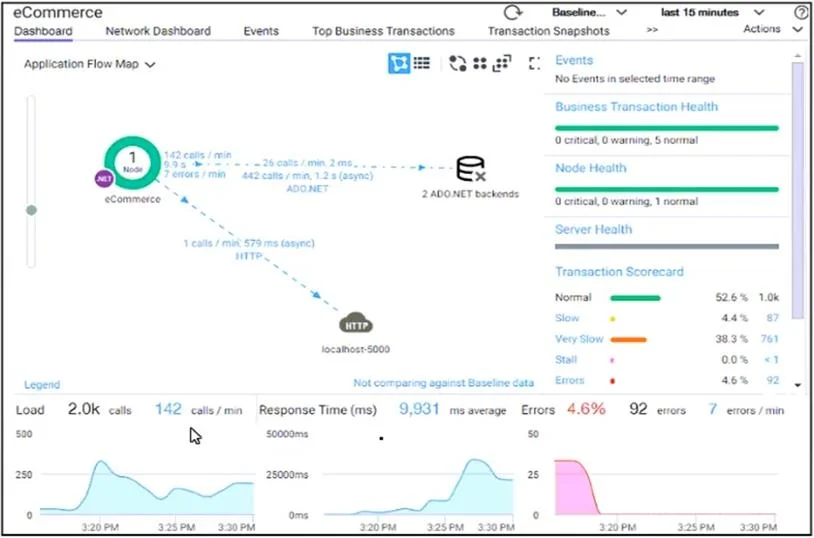
Exhibit
Options
- Acode coverage statistics
- Bbuild automation
- Cstatic code analysis
- Dunit test results
How the community answered
(30 responses)- B90% (27)
- C7% (2)
- D3% (1)
Why each option
Continuous Integration (CI) is a software development practice where developers frequently merge code changes into a central repository, and this process is inherently supported by automated build capabilities.
Code coverage statistics are a metric collected during the testing phase, often as part of a CI pipeline, but they are a measurement of testing effectiveness rather than a core defining property of the CI methodology itself.
Build automation is a fundamental property of Continuous Integration, as it ensures that every time code changes are committed, an automated process compiles the code, resolves dependencies, and creates executable artifacts. This provides rapid and consistent feedback on the integrity and buildability of the codebase.
Static code analysis is a method for examining source code without execution to find potential errors or style violations, which can be integrated into CI but is not a defining characteristic of the methodology itself.
Unit test results are the output of running unit tests, which are an important part of a CI pipeline for verifying individual code components, but the running and evaluation of these tests fall under the broader umbrella of automated testing and build processes rather than being the overarching property of CI.
Concept tested: Core principles of Continuous Integration
Source: https://learn.microsoft.com/en-us/devops/develop/what-is-continuous-integration
Topics
Community Discussion
No community discussion yet for this question.