
300-910 · Question #82
What is a principle of chaos engineering?
The correct answer is B. proactive testing based on system responsiveness. Chaos engineering proactively tests the resilience of systems by intentionally introducing failures to identify weaknesses and improve system responsiveness and stability.
Question
Exhibit
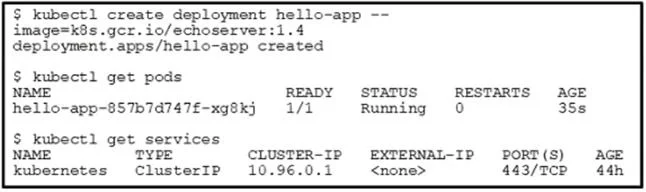
Options
- Acommon user access on system monitoring infrastructure
- Bproactive testing based on system responsiveness
- Cprevent mistakes that cause infrastructure service disruption
- Dreactive system monitoring for network infrastructure outages
How the community answered
(43 responses)- A2% (1)
- B88% (38)
- C7% (3)
- D2% (1)
Why each option
Chaos engineering proactively tests the resilience of systems by intentionally introducing failures to identify weaknesses and improve system responsiveness and stability.
Common user access on monitoring infrastructure is a security and access control issue, not a principle of chaos engineering.
A core principle of chaos engineering is to proactively test the resilience of systems by injecting controlled faults and failures. The goal is to observe how the system responds under stress, identify weaknesses before they cause real outages, and improve the system's ability to withstand turbulent conditions. This continuous, proactive experimentation helps ensure system responsiveness and reliability.
While chaos engineering ultimately helps prevent mistakes by revealing weaknesses, its direct principle is about experimentation and learning from failure, rather than simply preventing mistakes through cautious action. It embraces failure to learn.
Reactive system monitoring for outages describes traditional monitoring, which responds after an incident occurs, whereas chaos engineering is proactive in its approach to discovering vulnerabilities.
Concept tested: Principles of chaos engineering
Source: https://learn.microsoft.com/en-us/azure/architecture/framework/resiliency/chaos-engineering-overview
Topics
Community Discussion
No community discussion yet for this question.