
300-910 · Question #28
How does eliminating hardcoded or default passwords help to secure an environment?
The correct answer is A. helps by enforcing your password in a repository and storing it in a secure vault. The question asks for the primary security benefit of removing hardcoded or default passwords from an environment.
Question
Exhibit
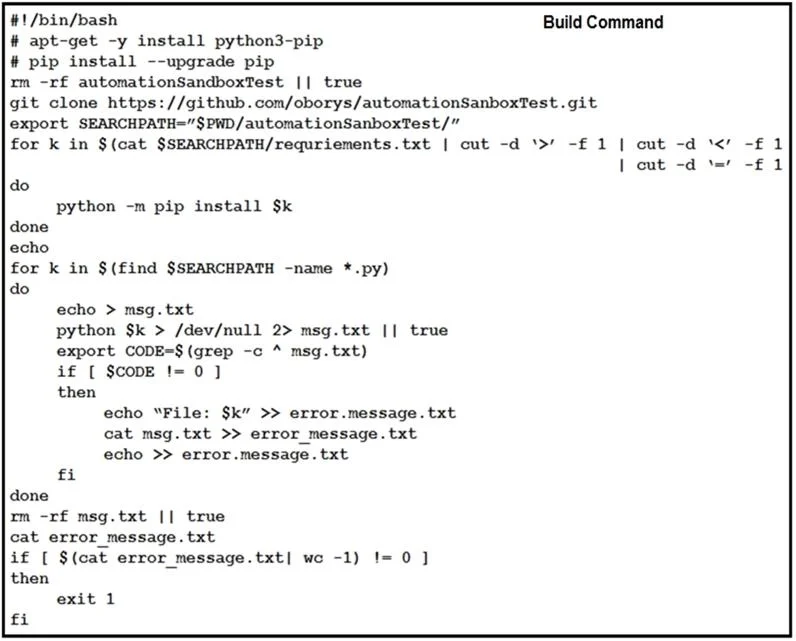
Options
- Ahelps by enforcing your password in a repository and storing it in a secure vault
- Bhelps to manage passwords centrally
- Chelps penetration testing team to focus on other issues more efficiently
- Dhelps by removing back doors in your environments
How the community answered
(21 responses)- A90% (19)
- B5% (1)
- C5% (1)
Why each option
The question asks for the primary security benefit of removing hardcoded or default passwords from an environment.
Eliminating hardcoded or default passwords enforces the adoption of secure credential management practices, often by storing sensitive information in a dedicated, secure repository or vault, which centrally manages and protects these credentials from unauthorized access and prevents known backdoors.
While eliminating hardcoded passwords often leads to central management, option A provides a more comprehensive explanation of how this practice secures the environment by enforcing secure storage.
Helping penetration testing teams focus on other issues is a beneficial side effect but not the primary security mechanism or direct benefit of removing hardcoded passwords.
Removing backdoors is a direct outcome, but option A explains the mechanism by which this is achieved, which involves enforcing secure password storage in a repository.
Concept tested: Secure credential management principles
Topics
Community Discussion
No community discussion yet for this question.