
300-835 · Question #48
An application is developed to provide temporary file storage on a private cloud repository. Access must be available within or outside the company's network. Employees and customers must be able to…
The correct answer is D. It handles traffic from unknown remote devices to provide access to a known local device. Option D is correct because a reverse proxy sits at the edge of a network and accepts requests from external, unknown clients (employees, customers, anywhere on the internet) and forwards them to a known internal server - in this case, the private cloud file storage. This is…
Question
Exhibits
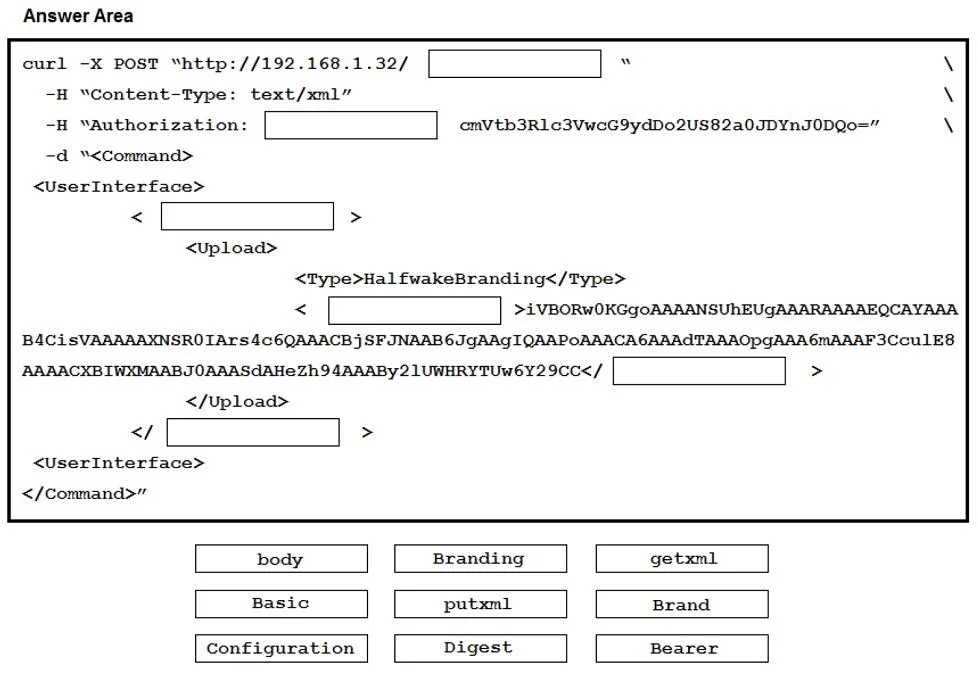
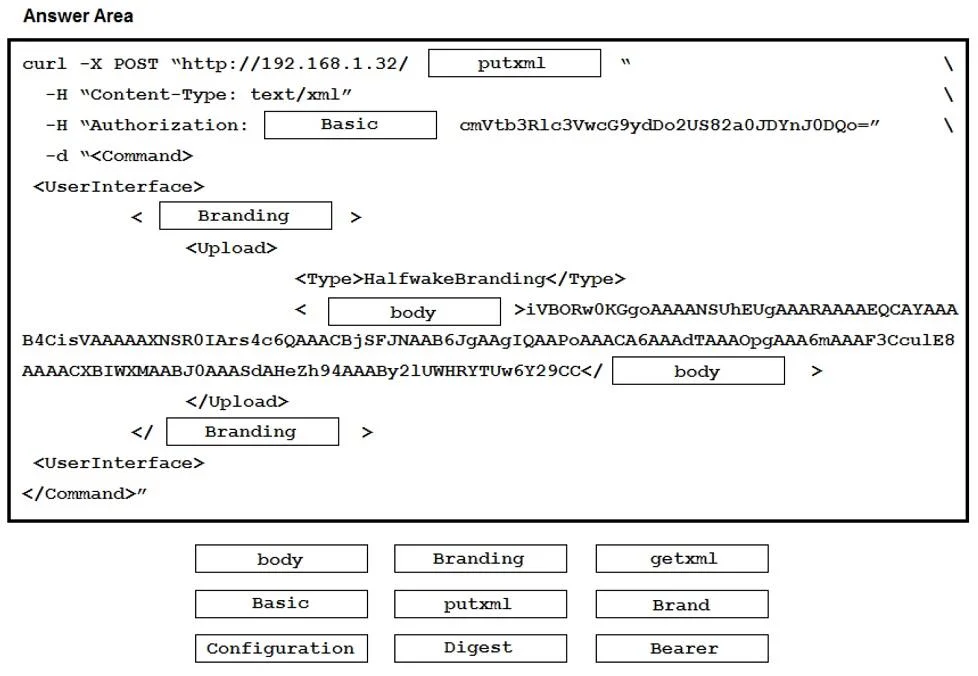
Options
- AIt handles traffic from a known local device to provide access to an unknown remote device.
- BIt serves requests from a local resource to a remote device via VPN.
- CIt encrypts traffic that has destination collaboration end devices or active end users.
- DIt handles traffic from unknown remote devices to provide access to a known local device.
How the community answered
(35 responses)- A3% (1)
- B6% (2)
- C3% (1)
- D89% (31)
Explanation
Option D is correct because a reverse proxy sits at the edge of a network and accepts requests from external, unknown clients (employees, customers, anywhere on the internet) and forwards them to a known internal server - in this case, the private cloud file storage. This is exactly what enables both inside and outside network access to a single, protected backend resource.
Why the distractors fail:
- A describes a forward proxy, which serves known internal users trying to reach unknown external destinations - the opposite direction.
- B describes a VPN tunnel, which creates an encrypted point-to-point connection, not a proxy that brokers requests on behalf of many clients.
- C partially describes TLS termination, which a reverse proxy can do, but encrypting traffic is not its defining role - and the description doesn't capture the traffic-routing function at all.
Memory tip: Think of the word reverse literally - a forward proxy sends your traffic out to the internet; a reverse proxy sends the internet's traffic in to your server. If unknown outsiders are reaching a known internal resource, it's a reverse proxy.
Topics
Community Discussion
No community discussion yet for this question.