
300-435 · Question #108
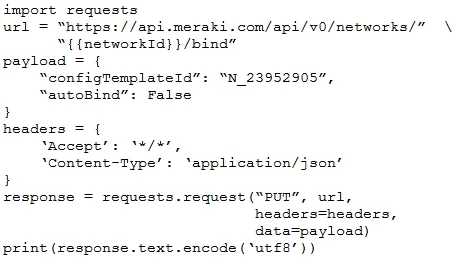
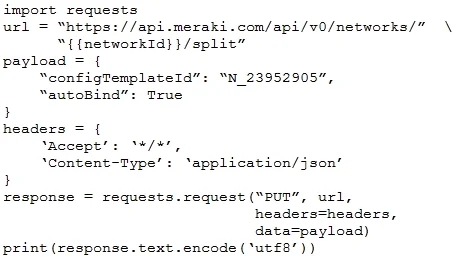
Refer to the exhibit. A network engineer creates an Ansible playbook execution task that automates the removal of unnecessary IP addresses from the loopback interfaces of Cisco IOS XE devices. Which…
The correct answer is A. ios_l3_interfaces. To automate the removal of IP addresses from loopback interfaces on Cisco IOS XE devices using Ansible, the ios_l3_interfaces module is the correct choice as it manages Layer 3 interface configurations idempotently.
Question
Exhibits
Options
- Aios_l3_interfaces
- Bios_command
- Cios_config
- Dios_vrf
How the community answered
(18 responses)- A78% (14)
- B6% (1)
- C11% (2)
- D6% (1)
Why each option
To automate the removal of IP addresses from loopback interfaces on Cisco IOS XE devices using Ansible, the `ios_l3_interfaces` module is the correct choice as it manages Layer 3 interface configurations idempotently.
The `ios_l3_interfaces` module in Ansible is specifically designed for managing Layer 3 interface properties, including the configuration and removal of IP addresses on interfaces like loopbacks on Cisco IOS XE devices. It allows for idempotent management of interface IP settings.
The `ios_command` module is used for executing arbitrary CLI commands on the device, which is less idempotent and structured than using a dedicated module for interface configuration.
The `ios_config` module is used for pushing raw configuration blocks to the device, which, like `ios_command`, is less structured and idempotent for managing specific interface properties compared to `ios_l3_interfaces`.
The `ios_vrf` module is used for managing Virtual Routing and Forwarding (VRF) instances, not for configuring IP addresses on individual interfaces.
Concept tested: Ansible ios_l3_interfaces module
Source: https://docs.ansible.com/ansible/latest/collections/cisco/ios/ios_l3_interfaces_module.html
Topics
Community Discussion
No community discussion yet for this question.