
Broadcom-VMware
2V0-62.23 · Question #8
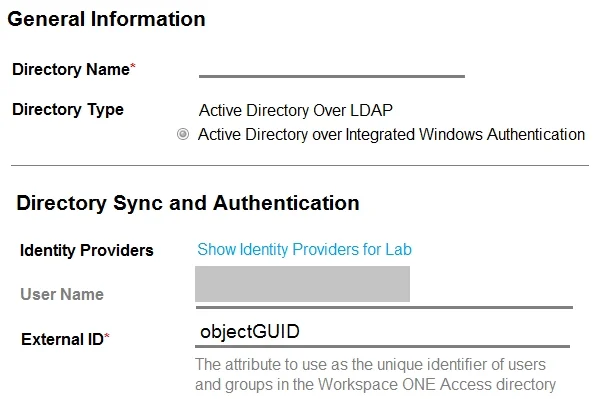
Refer to the exhibit. During Directory Sync and Authentication configuration, which two options are selectable for the Administrator in the User Name pull down menu? (Choose two.)
Sign in or unlock 2V0-62.23 to reveal the answer and full explanation for question #8. The question stem and answer options stay visible for context.
Section 3 – Workspace ONE Installation, Configuration, and Setup
Question
Refer to the exhibit. During Directory Sync and Authentication configuration, which two options are selectable for the Administrator in the User Name pull down menu? (Choose two.)
Exhibit
Options
- AdistinguishedName
- BsAMAccountName
- CUserPrincipalName
- DUserName
- ESID
Unlock 2V0-62.23 to see the answer
You've previewed enough free 2V0-62.23 questions. Unlock 2V0-62.23 for full answers, explanations, the timed quiz mode, progress tracking, and the master PDF. Question stem and options stay visible so you can still see what's on the exam.
Topics
#Directory Sync#Active Directory Integration#Authentication Configuration#User Attributes