
2V0-31.20 · Question #96
Refer to the exhibits. To support the CTO's "Right Cloud First" multi-cloud strategy, an administrator configures four cloud accounts ?vSphere, Amazon Web Services, Google Cloud Platform and…
Sign in or unlock 2V0-31.20 to reveal the answer and full explanation for question #96. The question stem and answer options stay visible for context.
Question
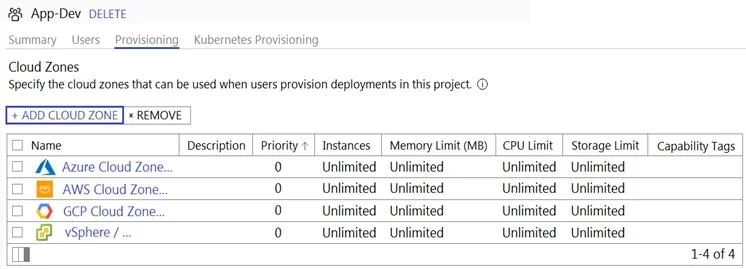
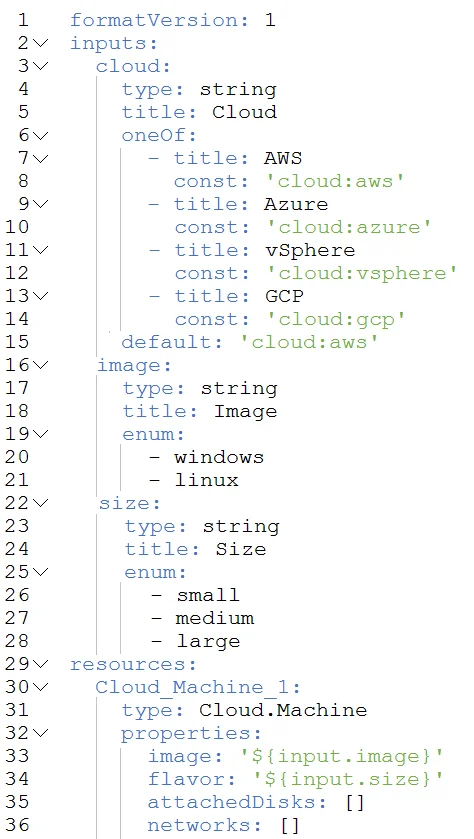
Refer to the exhibits. To support the CTO's "Right Cloud First" multi-cloud strategy, an administrator configures four cloud accounts ?vSphere, Amazon Web Services, Google Cloud Platform and Microsoft Azure. Each cloud account has a single cloud zone that is added to the App-Dev project with the same priority. The administrator creates a simple, single machine cloud agnostic blueprint that allows App-Dev members to select a size, image and cloud during the request and releases it to the Service Broker so that the App- Dev team can consume the catalog item to develop their new application. The administrator is assigned a ticket to address the following issue: the deployed cloud machine is always the correct size and correct operating system; however, the deployment is never deployed to the selected cloud. The administrator checks the blueprint and the App-Dev project, as seen in the attached exhibits, for troubleshooting purposes. Which two changes must the administrator make so that the blueprint will work as expected? (Choose two.)
Exhibits
Options
- AAdd a constraint tag to the Cloud.Machine resource and use '${input.flavor}' as the value.
- BAdd a constraint tag to the Cloud.Machine resource and use '${input.cloud}' as the value.
- CAdd a capability tag to each cloud zone and use the key/value pair of cloud:<cloud>.
- DAdd a constraint tag to the Cloud.Machine resource and use '$(input.cloud)' as the value.
- EAdd a capability tag to each cloud zone and use the key/value pair of env:<cloud>.
Unlock 2V0-31.20 to see the answer
You've previewed enough free 2V0-31.20 questions. Unlock 2V0-31.20 for full answers, explanations, the timed quiz mode, progress tracking, and the master PDF. Question stem and options stay visible so you can still see what's on the exam.