
200-301 · Question #904
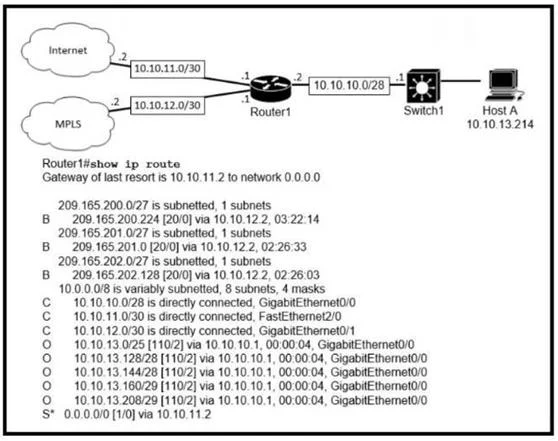
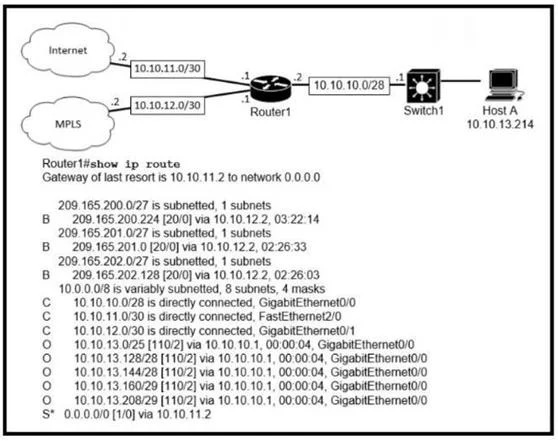
Drag and Drop Question Refer to the exhibit. Drag and drop the prefix lengths from the left onto the corresponding prefixes on the right. Not all prefixes are used. Answer:
The correct answer is 255.255.255.128; 255.255.255.224; 255.255.255.240; 255.255.255.248; 255.255.255.252. Each subnet mask corresponds to a specific prefix length based on the number of consecutive 1-bits in binary: 255.255.255.128 = /25 (1 host bit), 255.255.255.224 = /27 (3 host bits), 255.255.255.240 = /28 (4 host bits), 255.255.255.248 = /29 (5 host bits), and 255.255.255.252 =…
Question
Exhibits
Answer Area
Drag items
Correct arrangement
- 255.255.255.128
- 255.255.255.224
- 255.255.255.240
- 255.255.255.248
- 255.255.255.252
Explanation
Each subnet mask corresponds to a specific prefix length based on the number of consecutive 1-bits in binary: 255.255.255.128 = /25 (1 host bit), 255.255.255.224 = /27 (3 host bits), 255.255.255.240 = /28 (4 host bits), 255.255.255.248 = /29 (5 host bits), and 255.255.255.252 = /30 (6 host bits). Converting the last octet to binary confirms each mapping: 128=10000000, 224=11100000, 240=11110000, 248=11111000, 252=11111100. All five options are used in this question as each mask has a unique and direct prefix-length equivalent.
Topics
Community Discussion
No community discussion yet for this question.