
200-301 · Question #1479
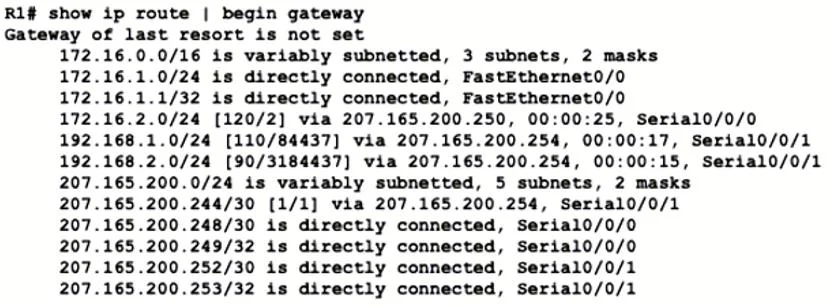
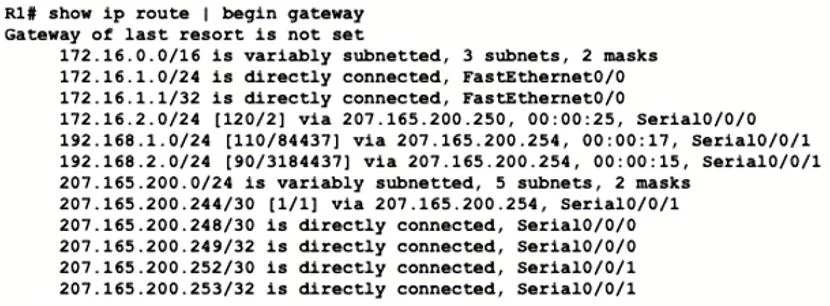
Drag and Drop Question Refer to the exhibit. Drag and drop the learned prefixes from the left onto the preferred route methods from which they were learned on the right. Not all prefixes are used…
The correct answer is serves as the next-hop addresses in IGP; confined to a single link; has a unicast source sent to a group; never used as a source address. This question maps IPv6 address types/prefixes to their functional characteristics. The correct arrangement maps each prefix category to its defining property: link-local addresses (fe80::/10) are confined to a single link and serve as next-hop addresses in IGP, multicast…
Question
Drag and Drop Question Refer to the exhibit. Drag and drop the learned prefixes from the left onto the preferred route methods from which they were learned on the right. Not all prefixes are used. Answer:
Exhibits
Answer Area
Drag items
Correct arrangement
- serves as the next-hop addresses in IGP
- confined to a single link
- has a unicast source sent to a group
- never used as a source address
Explanation
This question maps IPv6 address types/prefixes to their functional characteristics. The correct arrangement maps each prefix category to its defining property: link-local addresses (fe80::/10) are confined to a single link and serve as next-hop addresses in IGP, multicast addresses have a unicast source sent to a group, and loopback/unspecified addresses are never used as source addresses. Understanding IPv6 address scopes and their roles in routing protocols is essential for distinguishing how each prefix type behaves in a network.
Topics
Community Discussion
No community discussion yet for this question.