
Oracle
1Z0-900 · Question #13
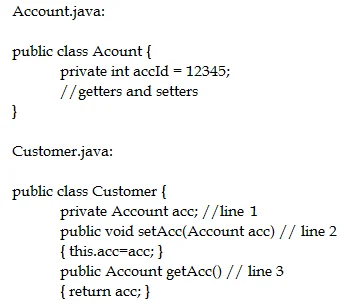
Given the code fragment: And Which two steps, when performed independently, enable the index.xhtml page to print the following text: The Id is 12345? (Choose two.)
Sign in or unlock 1Z0-900 to reveal the answer and full explanation for question #13. The question stem and answer options stay visible for context.
Use CDI Beans
Question
Given the code fragment:
And Which two steps, when performed independently, enable the index.xhtml page to print the following text: The Id is 12345? (Choose two.)
Exhibit
Options
- AReplace line 2 with: @Inject public void setAcc(Account acc)
- BReplace line 3 with: @Inject public Account getAcc()
- CReplace line 1 with: @Inject private Account acc;
- DReplace line 3 with: public @Inject Account getAcc()
- EReplace line 1 with: private @Inject Account acc;
- FReplace line 2 with: public void setAcc(@Inject Account acc)
Unlock 1Z0-900 to see the answer
You've previewed enough free 1Z0-900 questions. Unlock 1Z0-900 for full answers, explanations, the timed quiz mode, progress tracking, and the master PDF. Question stem and options stay visible so you can still see what's on the exam.
Topics
#CDI#Dependency Injection#@Inject annotation#Injection points