
Oracle
1Z0-591 · Question #21
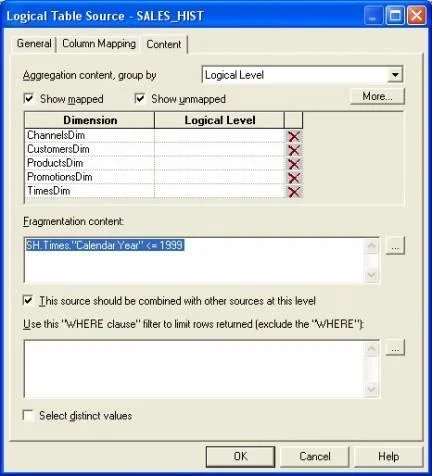
When adding a new dimension to an existing logical table, what is the significance of the Logical Level setting in the Logical Table Source properties?
Sign in or unlock 1Z0-591 to reveal the answer and full explanation for question #21. The question stem and answer options stay visible for context.
Adding Multiple Logical Table Sources to a Logical Table
Question
When adding a new dimension to an existing logical table, what is the significance of the Logical Level setting in the Logical Table Source properties?
Exhibit
Options
- AIt defines the granularity of the dimension.
- BIt determines the actual value of the dimension.
- CIt creates a new session variable.
- DIt creates a foreign key relationship.
Unlock 1Z0-591 to see the answer
You've previewed enough free 1Z0-591 questions. Unlock 1Z0-591 for full answers, explanations, the timed quiz mode, progress tracking, and the master PDF. Question stem and options stay visible so you can still see what's on the exam.
Topics
#logical table source#logical level#granularity#dimension properties