
1Z0-1084-20 · Question #57
You are processing millions of files in an Oracle Cloud Infrastructure (OCI) Object Storage bucket. Each time a new file is created, you want to send an email to the customer and create an order in…
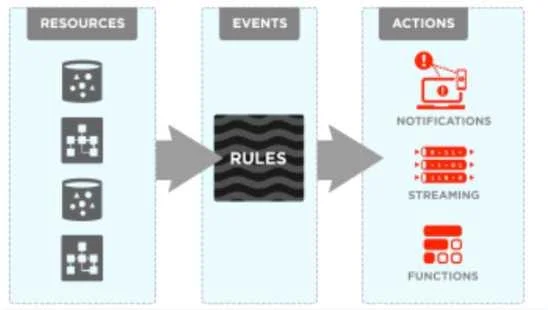
The correct answer is B. Use OCI Events service and OCI Notification service to send an email each time a file is created. Oracle Cloud Infrastructure Events enables you to create automation based on the state changes of resources throughout your tenancy. Use Events to allow your development teams to automatically respond when a resource changes its state. Here are some examples of how you might…
Question
You are processing millions of files in an Oracle Cloud Infrastructure (OCI) Object Storage bucket. Each time a new file is created, you want to send an email to the customer and create an order in a database. The solution should perform and minimize cost, Which action should you use to trigger this email?
Exhibit
Options
- ASchedule a cron job that monitors the OCI Object Storage bucket and emails the customer when a
- BUse OCI Events service and OCI Notification service to send an email each time a file is created.
- CSchedule an Oracle Function that checks the OCI Object Storage bucket every minute and emails
- DSchedule an Oracle Function that checks the OCI Object Storage bucket every second and emails
How the community answered
(23 responses)- A4% (1)
- B83% (19)
- C4% (1)
- D9% (2)
Explanation
Oracle Cloud Infrastructure Events enables you to create automation based on the state changes of resources throughout your tenancy. Use Events to allow your development teams to automatically respond when a resource changes its state. Here are some examples of how you might use Events: Send a notification to a DevOps team when a database backup completes. Convert files of one format to another when files are uploaded to an Object Storage bucket. You can only deliver events to certain Oracle Cloud Infrastructure services with a rule. Use the following services to
Topics
Community Discussion
5 Imani T.Jun 8, 2026
B is the correct answer, and honestly this one should be a gimme if you understand event-driven architecture. OCI Events service watches your Object Storage bucket natively and fires the moment a new object is created, then OCI Notifications handles the email delivery, so you get near-instant response without polling at all. Options C and D are just burning money and compute cycles having a function check the bucket every minute or every second, which is wasteful polling that adds up fast when you are talking about a 24/7 workload at scale. Option A with a cron job is the same problem, plus cron has no idea what just landed in the bucket until it wakes up and goes looking, which means delayed notifications and wasted runs on empty checks.
 Brenda K.Jun 10, 2026
Solid breakdown, and worth adding that the Events plus Notifications path also gives you a built-in audit trail through the event envelope itself, so you get traceability for free without any extra logging code.
Brenda K.Jun 10, 2026B is dead right and you should bank this one fast, maybe 45 seconds tops. OCI Events triggers the moment a file lands in the bucket, OCI Notifications fires the email instantly, and you pay nothing for idle polling, which is exactly why A, C, and D burn money and time checking a bucket that may have nothing new.
 Lena V.Jun 12, 2026
OCI Events and Notifications is the right call, but worth noting the Functions connection in between, since Events alone does not send email, it routes to a topic that triggers Notifications, and that distinction shows up on the exam.
Lena V.Jun 3, 2026I almost went with C thinking a scheduled Function would be cleaner to control, but polling every minute means delays and you are burning function invocations constantly even when nothing changes. The Events plus Notifications combo is the right call because it is purely reactive, fires only on actual object creation, and you pay nothing when there is no activity.